


 English
 中文简体
中文简体
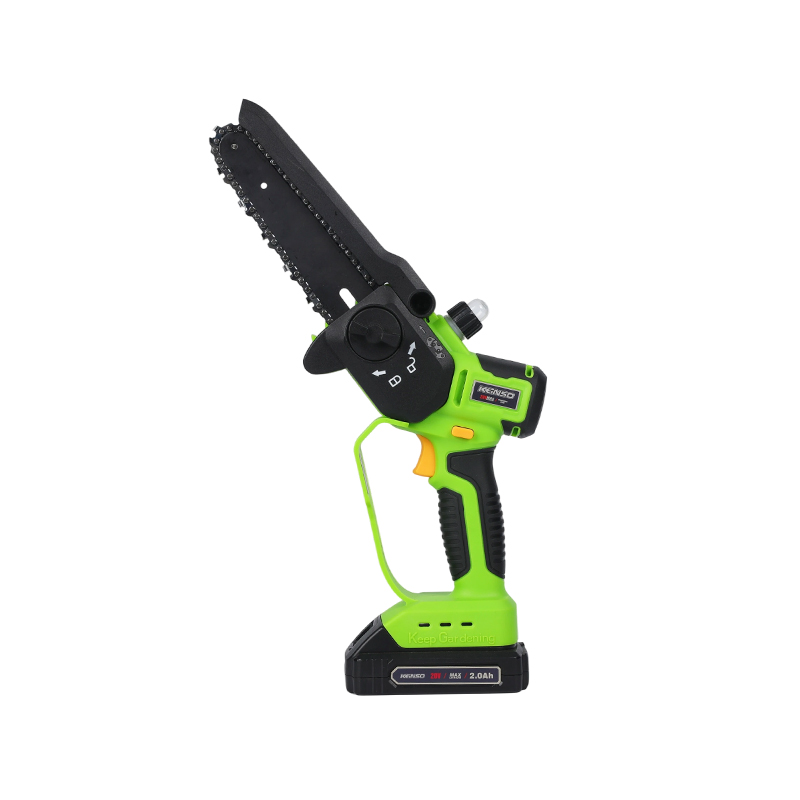
Garden maintenance often involves cutting branches, trimming shrubs, and removing dead wood. The brushless pruning saw has become a useful tool for these tasks. Unlike brushed motor saws, a brushless pruning saw uses an electronically controlled motor that operates with less friction and heat. This design delivers more power from a smaller motor and extends battery life during extended use.
The brushless pruning saw is typically cordless, running on lithium-ion battery packs. The absence of brushes in the motor means fewer moving parts to wear out. For users who prune regularly throughout the year, this reliability makes a real difference. The saw handles branches from thin twigs up to limbs of 15 centimeters or more in diameter, depending on the model.
Motor Performance and Battery Life
The brushless motor in a brushless pruning saw adjusts its speed based on the resistance encountered. When cutting through dense, wet wood, the motor draws more power to maintain cutting speed. When moving through soft or dry branches, it reduces power consumption. This variable response stretches battery runtime compared to brushed motors that run at full output regardless of conditions.
Key advantages of a brushless pruning saw include:
- Longer runtime per battery charge for extended work sessions
- Consistent cutting speed even under heavy load
- Less vibration transmitted to the user’s hands and arms
- Quiet operation suitable for residential neighborhoods
Battery capacity affects how much work a brushless pruning saw can complete on a single charge. Smaller batteries of 2 to 3 ampere-hours may handle 30 to 45 minutes of light pruning. Larger batteries of 5 to 6 ampere-hours support more than an hour of continuous cutting. Many users keep a spare battery on hand for larger jobs.
Blade Design and Cutting Capacity
The blade of a brushless pruning saw determines what kind of cuts it can make. models use a bar and chain system similar to small chainsaws but scaled down for one-handed operation. Bar lengths typically range from 10 to 20 centimeters. Shorter bars offer better control for detailed pruning work. Longer bars cut through thicker branches but add weight.
Chain tooth design affects cutting speed and finish quality. A brushless pruning saw with narrow kerf chain removes less material per cut, which reduces the power required and extends battery life. Some models use hardened steel chains that stay sharp longer than standard chains. Automatic oiling keeps the chain lubricated during use, reducing friction and heat.
The cutting capacity of a brushless pruning saw varies by model. Entry-level units handle branches up to 10 centimeters thick. Professional-grade models cut through 20-centimeter limbs or larger. Users should match the saw's capacity to the typical branch sizes encountered in their yards or work sites.
Safety Features and Handling
A brushless pruning saw includes several safety features that users should understand before operation. A chain brake stops the chain within a fraction of a second if the saw kicks back. A hand guard protects the front hand from contact with the chain. A safety switch prevents accidental starting when the saw is not in use.
Proper handling of a brushless pruning saw reduces the risk of injury:
- Wear gloves, eye protection, and hearing protection during use
- Keep both hands on the saw with fingers wrapped around the handles
- Cut below shoulder height to maintain control
- Allow the chain to stop completely before setting the saw down
Weight distribution affects how tiring a brushless pruning saw feels during extended use. Well-designed models place the battery at the rear or beneath the handle to balance the weight of the motor and bar. Lighter models around 1.5 to 2 kilograms suit overhead cutting on ladders or platforms. Heavier models provide more power but increase fatigue over time.
Maintenance and Long-Term Care
The brushless pruning saw requires less maintenance than gas-powered alternatives. No fuel mixing, carburetor cleaning, or spark plug replacement is needed. However, regular attention keeps the saw performing well.
Essential maintenance tasks for a brushless pruning saw include:
- Cleaning the bar groove and chain after each use
- Checking chain tension before starting work
- Refilling the bar oil reservoir as needed
- Storing batteries at partial charge in moderate temperatures
Chain sharpening is needed periodically. A dull chain cuts slowly, requires more force, and produces fine dust instead of chips. Users can sharpen the chain themselves with a round file or replace it with a new chain. Keeping the chain sharp reduces strain on the motor and extends battery runtime.
A Useful Tool for Garden Maintenance
From fruit tree pruning to clearing storm-damaged branches, the brushless pruning saw handles cutting tasks that hand saws cannot manage efficiently. Its cordless design, efficient motor, and reduced maintenance requirements make it a practical addition to garden tool collections.
 Previous

