• Zhejiang QINSO Electric Appliance Co., Ltd.
  • Zhejiang QINSO Electric Appliance Co., Ltd.
  • Zhejiang QINSO Electric Appliance Co., Ltd.
COMPANY PROFILE

Zhejiang QINSO Electric Appliance Co., Ltd. is a factory that focuses on manufacturing, developing, and selling cordless lithium power tools. Our product range includes cordless automotive power tools, handheld job site power tools, cordless garden tools, etc.

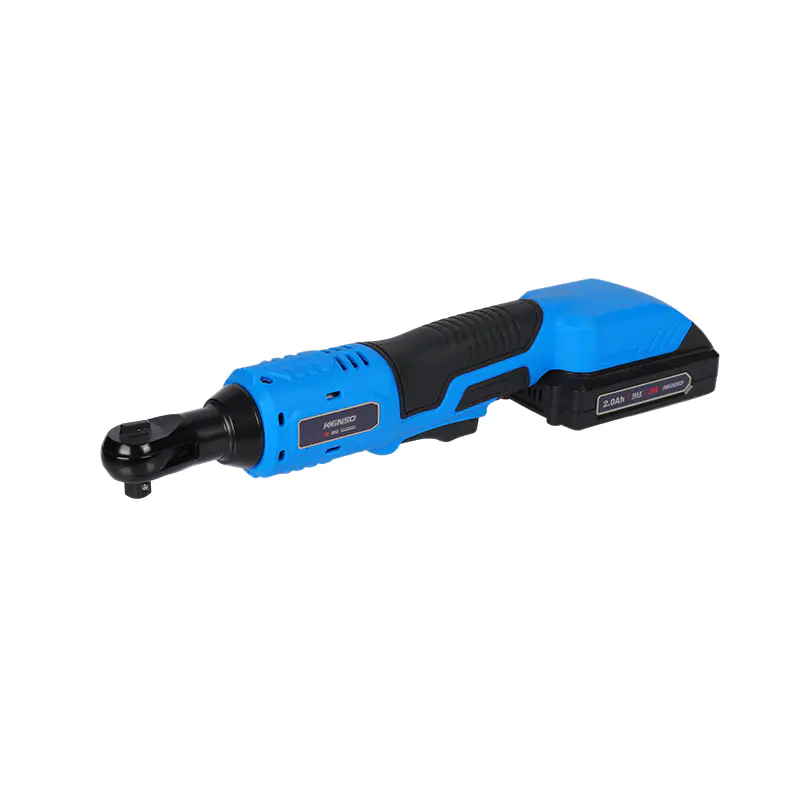
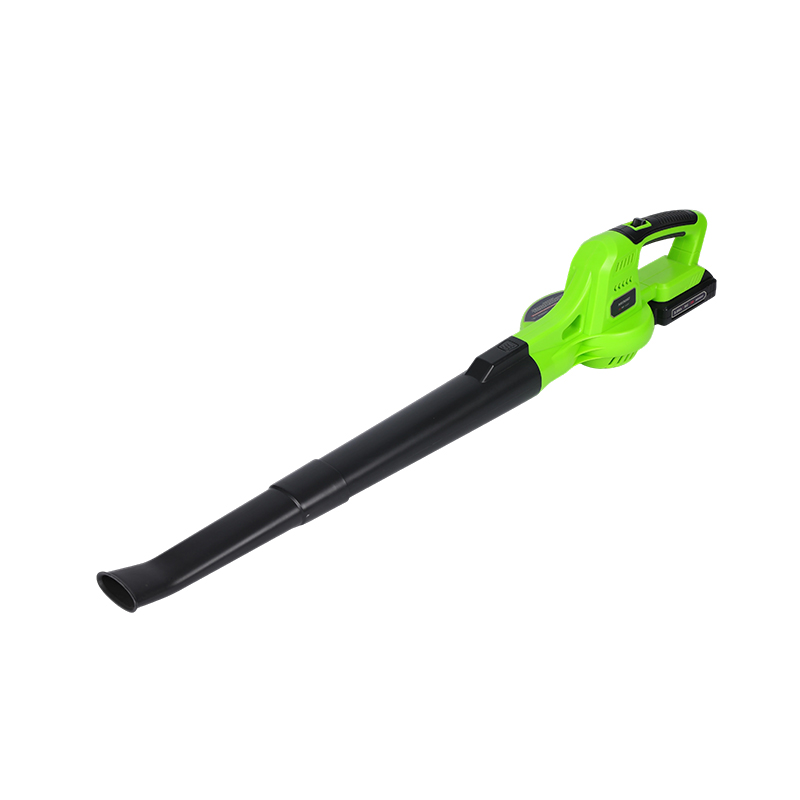
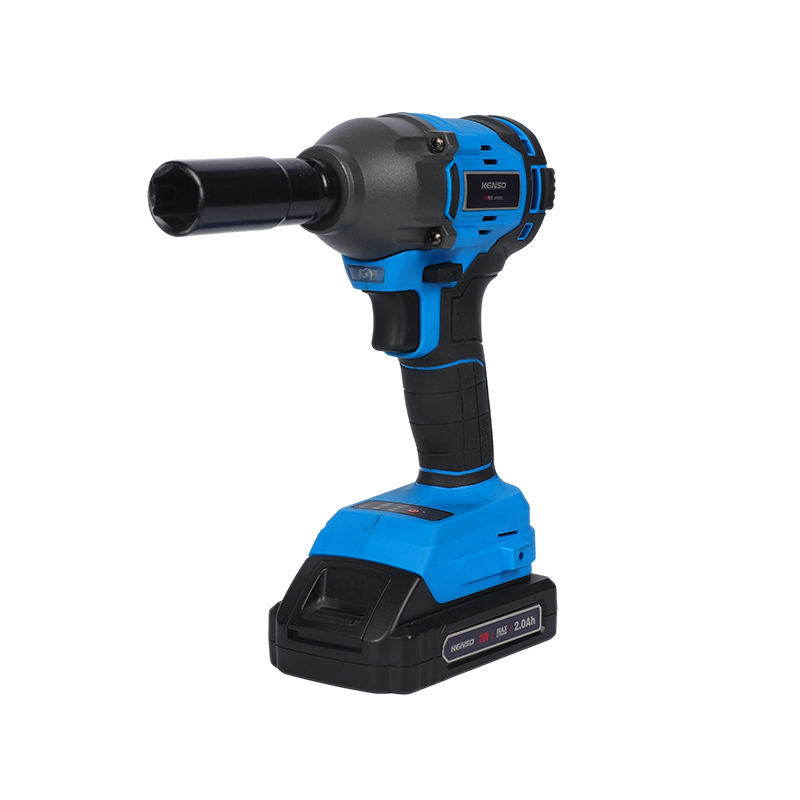
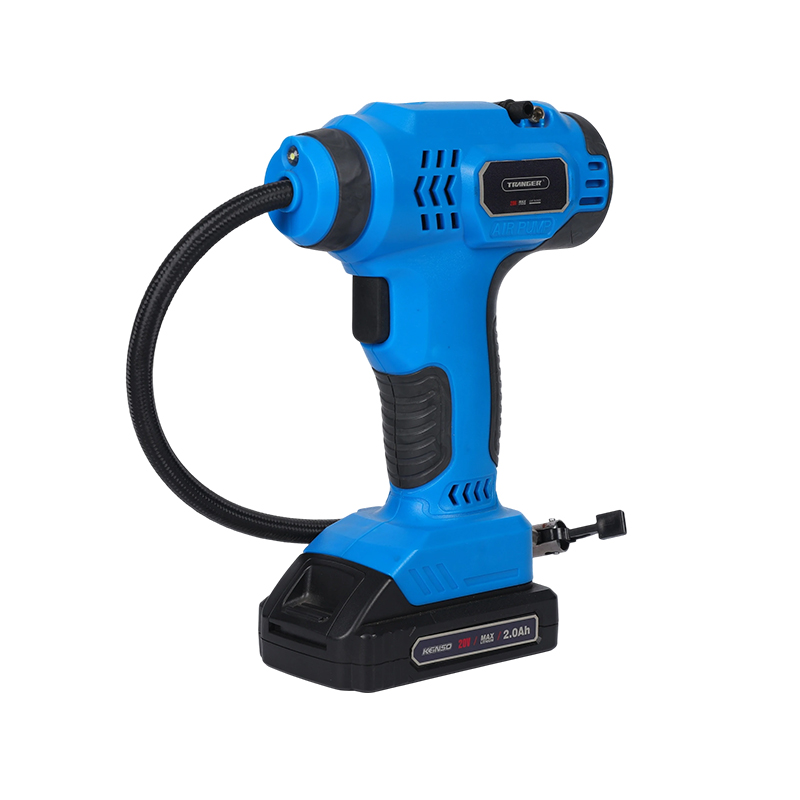
Our main products are cordless leaf blower, string trimmer, hedge trimmer, air inflator, brushless impact wrench, ratchet wrench, brushless drill worklight, etc. Our main market covers North America, Europe, South America, Asia, etc. We have experience with different market preferences and working habits. We can provide suggestions on the right products to sell and help to resolve problems during sales.


Zhejiang QINSO Electric Appliance Co., Ltd.
LEARN MORE
  • 0

    Factory Area

  • 0+

    Production Personnel

  • 0

    Research Center

  • 0+

    Technical Personnel

PRODUCT CATEGORY
  • Cordless Lithium Battery Garden Tools

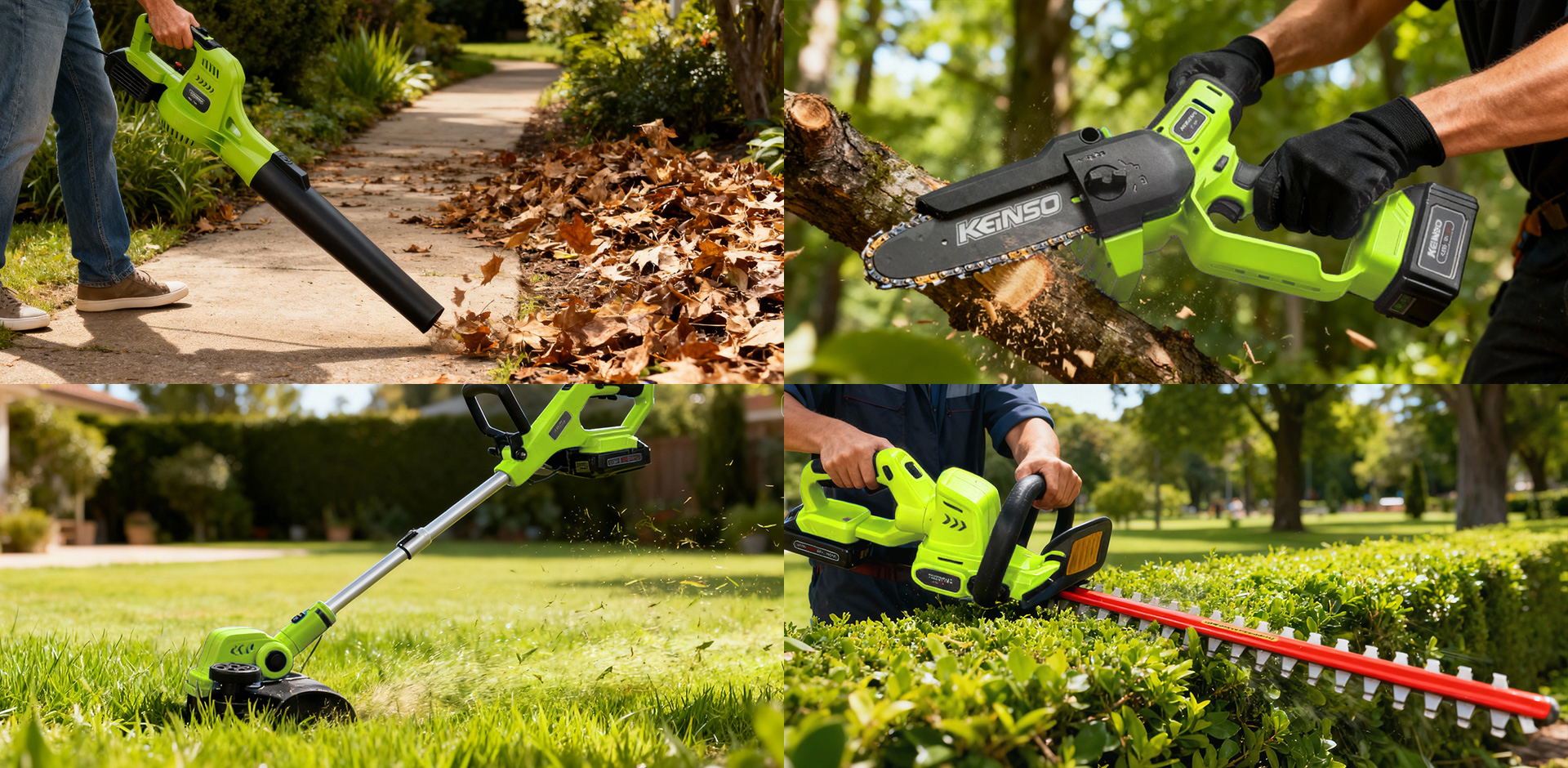
    QINSO's manufacturing garden tools are focused on the 20V li-ion battery platform which is cover most of DIY home garden use tasks. We mainly work at basic home garden tasks requirement garden tools include leaf blower, grass trimmer/mower, hedge trimmer and pruning saw. Our garden tools are compact, light weight with strong power, using friendly, to make tools operate easily, let them become a joyful lifestyle. We also provide solutions for customers to develop and produce more innovation and effeicient home use garden tools.

    LEARN MORE
  • Cordless Auto Care Power Tools

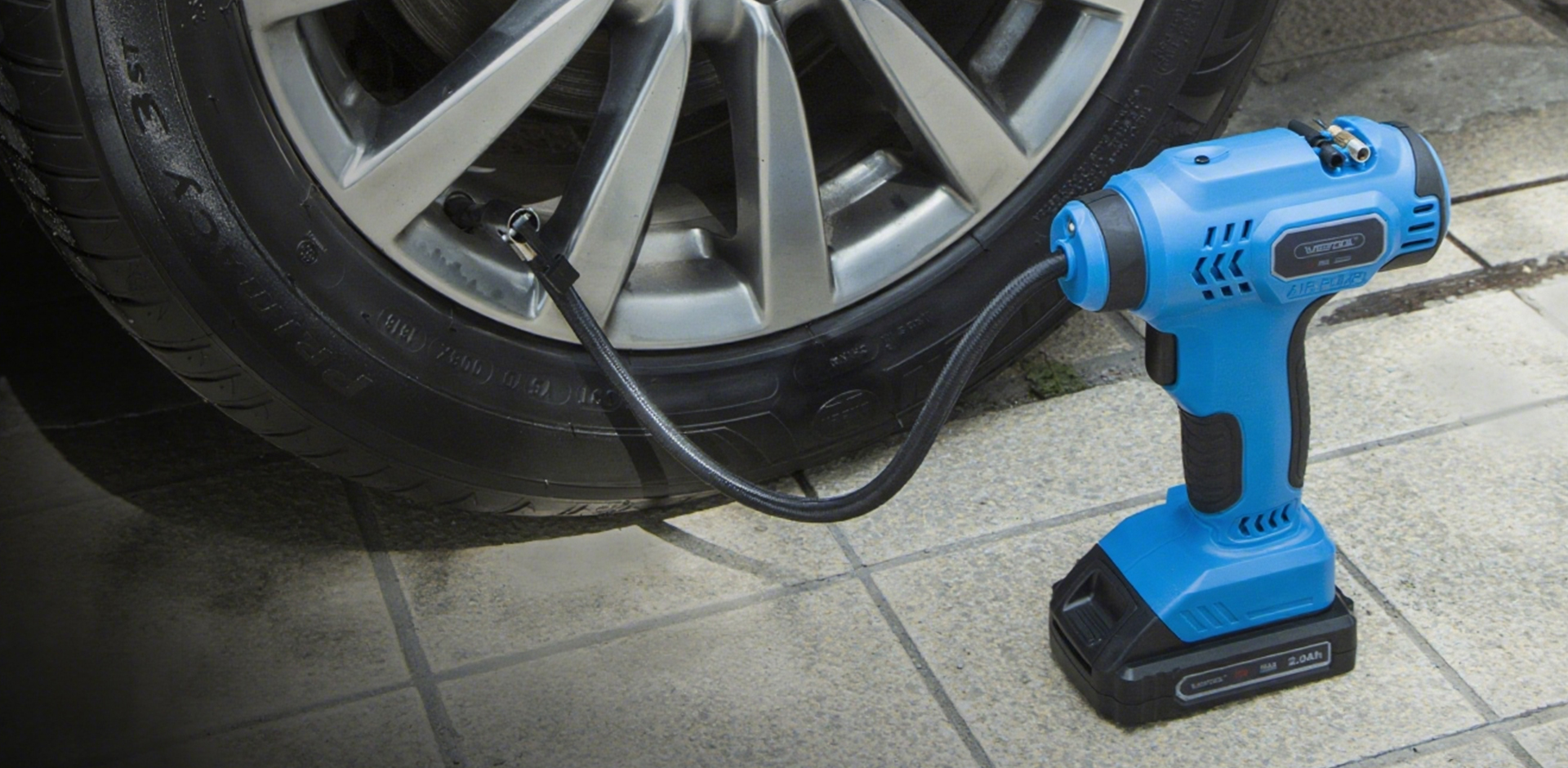
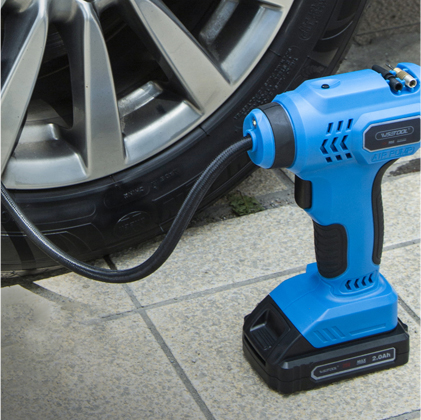
    QINSO's manufacturing AUTO care and support power tools are Focused on 20V li-ion battery platform, which are covered basic daily auto care requirement. they are included ratchet wrench, tire inflator, impact wrench, dual speed drills and worklight. with compact and powerful design. we also provide solutions for customers to develop and produce more innovative and efficient Auto care tools.

    LEARN MORE
WHY CHOOSE QINSO​
Key Competencies That Define Our Market Strength
  • R&D TEAM
    Young and passionate, deeply engaged in the tool industry with dedicated focus on R&D​
  • QUALITY CONTROL
    Supported by professional manufacturing equipment, with a team that emphasizes details and strictly controls product quality​
  • SUPPLY CHAIN MANAGEMENT
    Mature ERP system covering the entire process from outsourced components to finished products
  • BATTERY QUALITY
    In-house battery assembly line for more precise quality control; Exclusive IPX7 waterproof solution for battery systems to meet high waterproof requirements​
POPULAR PRODUCTS
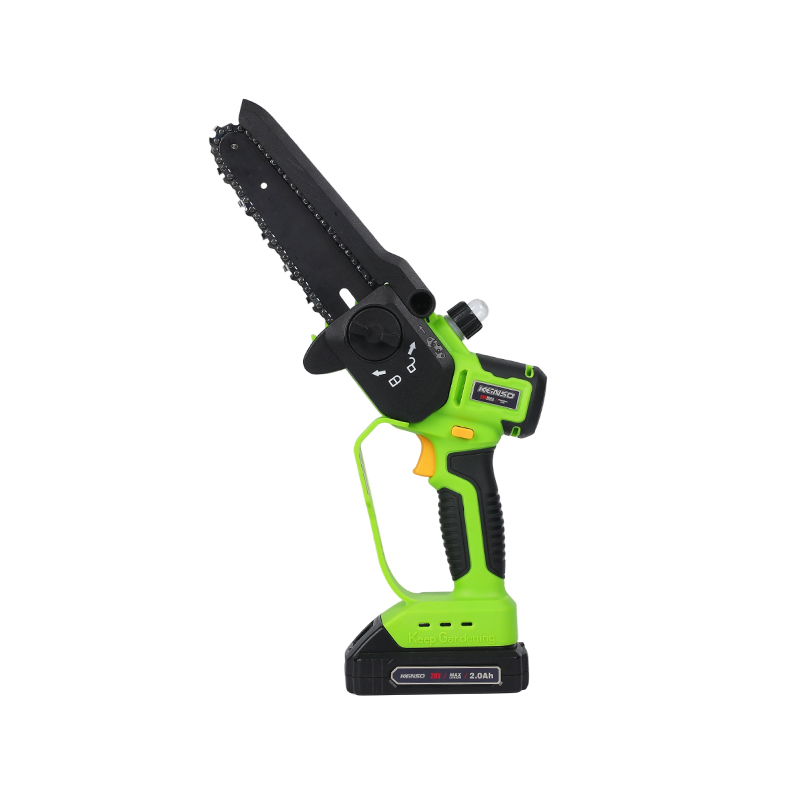
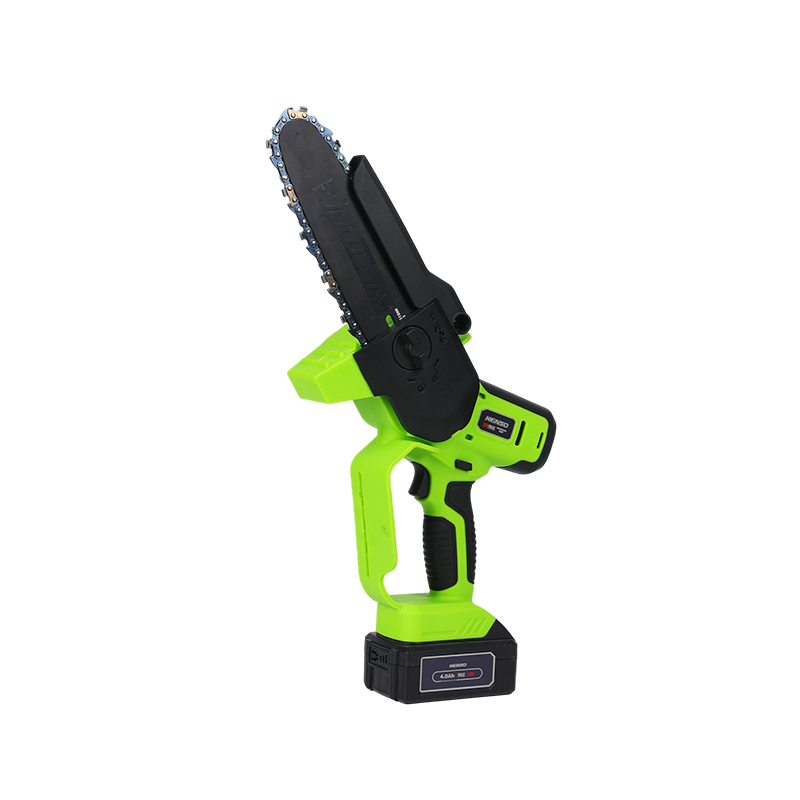
  • 20V Cordless Lithium Battery 6inch Brushless Lightweight Pruning Saw Mini Chainsaw
    20V Cordless Lithium Battery 6inch Brushless Lightweight Pruning Saw Mini Chainsaw

    1. Ergonomically designed with a simple structure for easy and convenient operation.

    2. Equipped with a self-locking safety switch to effectively prevent accidental activation and ensure safer start-up.

    3. Featuring a 6-inch guide plate and high-efficiency chain, the machine boasts a lightweight design, weighing only about 1.3kg including the battery, making it the lightest one-handed mini chainsaw currently available.

    4. A semi-automatic lubrication system allows for flexible chain lubrication as needed, simplifying maintenance.

    5. A braking safety stop function provides a rapid response in emergencies, ensuring safe and worry-free operation.

    LEARN MORE
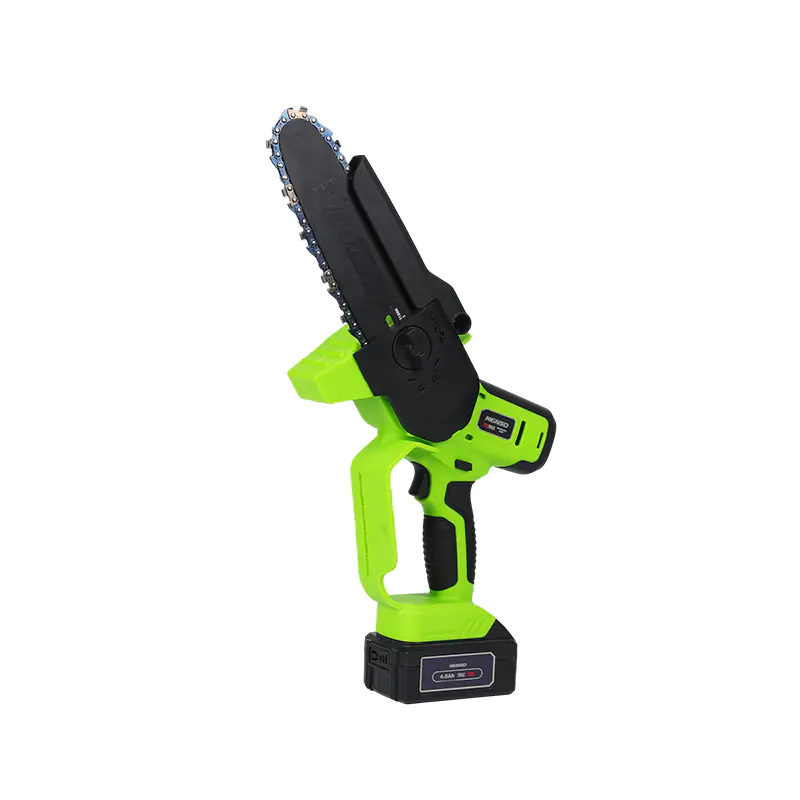
  • 20V Cordless Lithium Battery 8inch Brushless Heavy Duty Pruning Saw Mini Chainsaw
    20V Cordless Lithium Battery 8inch Brushless Heavy Duty Pruning Saw Mini Chainsaw

    1. Ergonomically designed for comfortable use.

    2. Features a self-locking safety switch and a movable cutting guard.

    3. 8-inch guide chain provides greater cutting power.

    4. Automatic oil pump for self-lubrication of the chain.

    5. Quick chain tension adjustment.

    6. Stop brake function for enhanced safety.

    LEARN MORE
  • 20V Cordless Lithium Battery 8inch Brushed Pruning Saw Mini Chainsaw
    20V Cordless Lithium Battery 8inch Brushed Pruning Saw Mini Chainsaw

    1. Ergonomically designed for comfortable use.

    2. Features a self-locking safety switch and a movable cutting guard.

    3. 8-inch guide chain provides greater cutting power.

    4. Automatic oil pump for self-lubrication of the chain.

    5. Quick chain tension adjustment.

    6. Stop brake function for enhanced safety.

    LEARN MORE
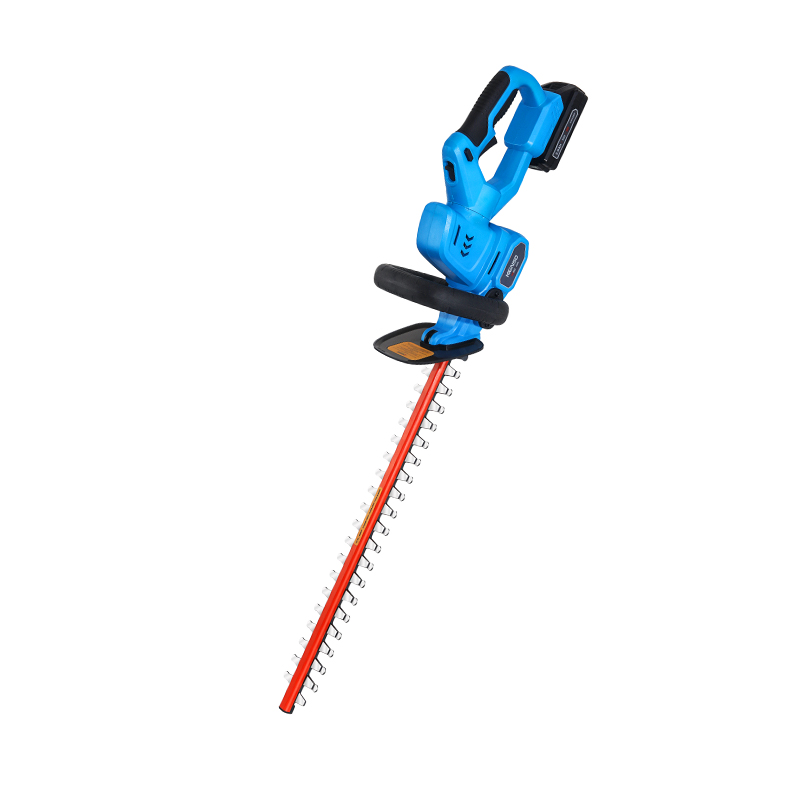
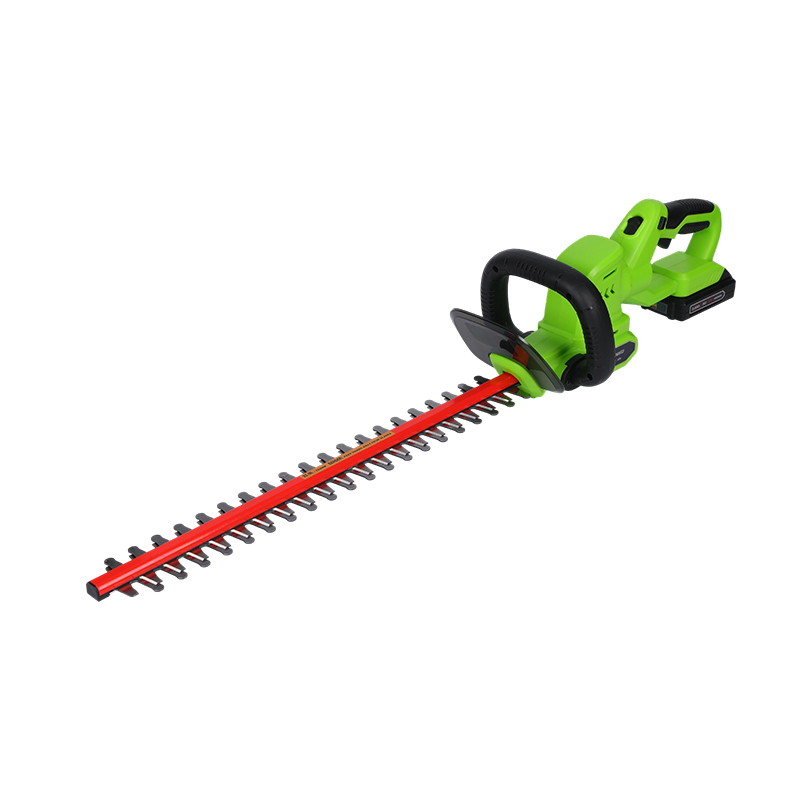
  • 20V Cordless Lithium Battery 20inch Hedge Trimmer
    20V Cordless Lithium Battery 20inch Hedge Trimmer

    1. Ergonomically designed with a reasonable structure, it fits the hand shape better, making operation easy and comfortable.

    2. The pruning machine is approximately 95cm long and equipped with a 20-inch effective cutting blade, providing a wider pruning range and significantly improving efficiency.

    3. The soft, non-slip handle offers a gentle and stable grip, reducing fatigue even during prolonged use.

    4. The rotatable handle design supports 5 angle adjustments to meet different pruning angle needs, making operation more flexible and convenient.

    5. The D-shaped auxiliary handle and amber transparent protective guard effectively protect the hand while allowing easy observation of the blade's cutting position, balancing safety and visibility.

    LEARN MORE
  • 20V Cordless Lithium Battery 22inch Hedge Trimmer
    20V Cordless Lithium Battery 22inch Hedge Trimmer

    1. Ergonomic design for more comfortable operation.

    2. The pruning machine is approximately 95cm long with a 22-inch effective cutting length for higher pruning efficiency.

    3. The soft grip handle offers a comfortable and non-slip grip.

    4. The rotating handle design allows for 5 different angles, making pruning more flexible.

    5. The D-shaped auxiliary handle and the brown transparent leaf guard protect the user's hand and allow for easy observation of the blade tip's cutting action.

    LEARN MORE
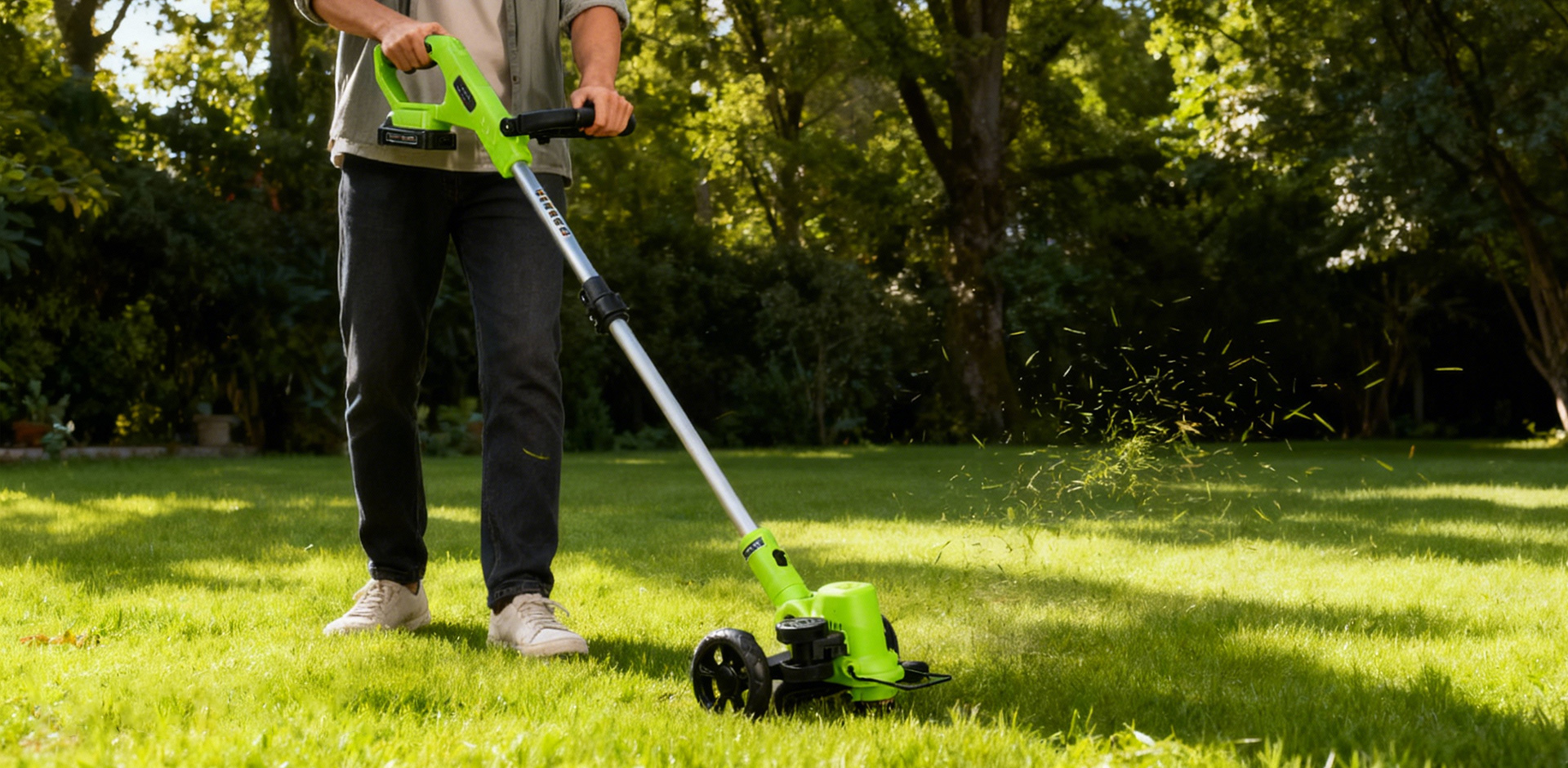
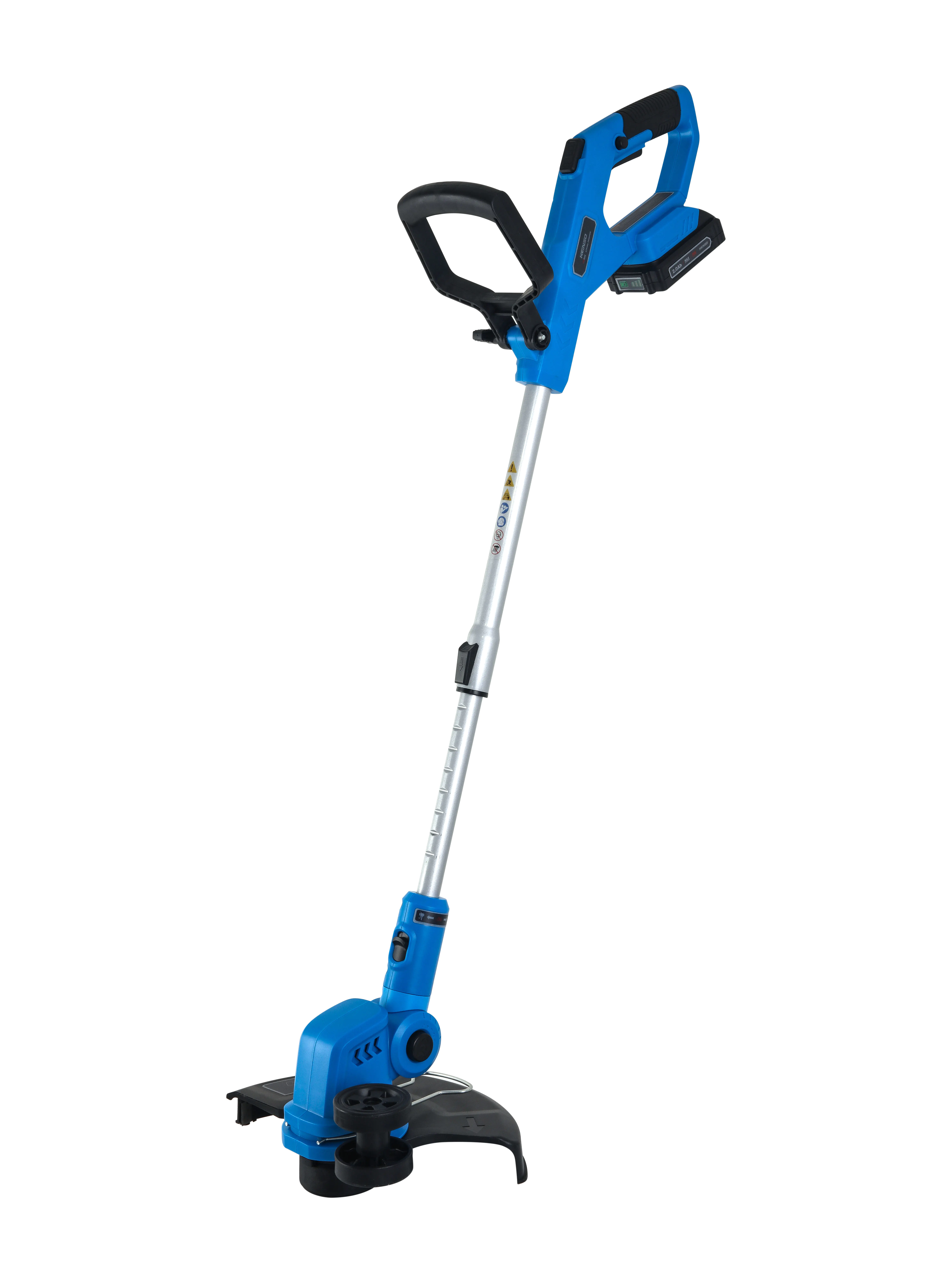
  • 20V Cordless Lithium battery Brushless Compact Grass trimmer Lawn Mower
    20V Cordless Lithium battery Brushless Compact Grass trimmer Lawn Mower

    1. Ergonomic design for a more comfortable grip; lightweight body for easier operation.

    2. Soft leather handle for a more comfortable and non-slip grip.

    3. Adjustable telescopic length from 93-125cm to flexibly meet different usage needs.

    4. The machine can switch between using mowing rope and blades, simultaneously handling mowing, lawn trimming, and small shrub cutting.

    5. The machine features a pioneering quick-change blade design, allowing for tool-free blade installation and avoiding the hassle of finding a wrench.

    6. The machine includes a built-in protective cover with a quick-install structure that requires no screws.

    7. The machine features a pioneering quick-install mowing wheel, making mowing easier and reducing hand fatigue, allowing for one-handed operation. The mowing wheel also has an adjustable height to meet different lawn trimming length requirements.

    LEARN MORE
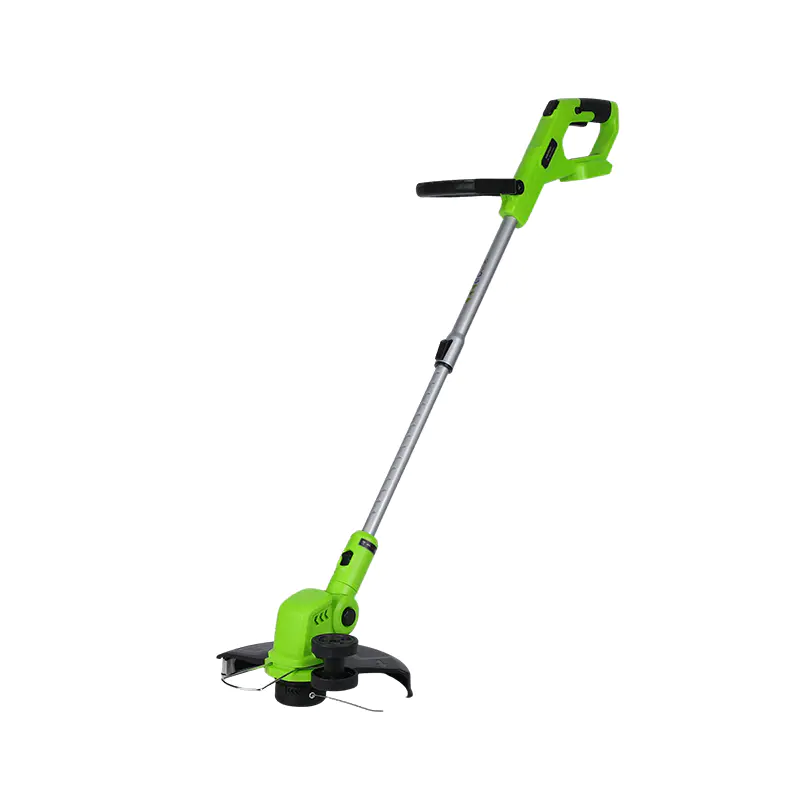
  • 20V Cordless Lithium Battery Grass String Trimmer
    20V Cordless Lithium Battery Grass String Trimmer

    1. Ergonomically designed for enhanced comfort.

    2. Motor size 775.

    3. Meter length ranges from 93 to 125 cm, accommodating different length requirements; the 12-inch model offers a larger mowing area and higher efficiency.

    4. Features a soft grip handle for comfortable and non-slip grip.

    5. Includes a lawn trimming mode; the trimming wheel is easy to install and operate.

    6. Automatic rope feeding function; if the mowing rope breaks, simply press the automatic rope feeding button to reconnect it.

    LEARN MORE
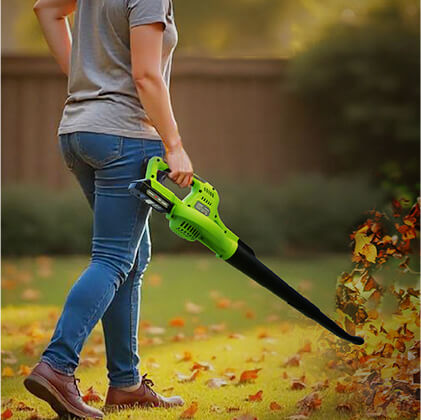
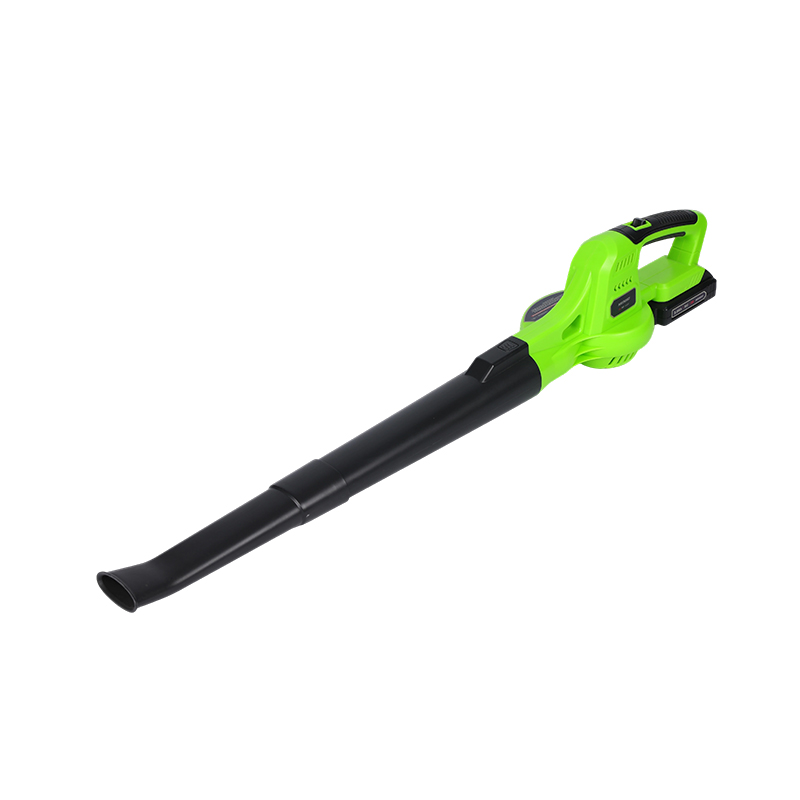
  • 20V Cordless Lithium Battery Leaf Blower
    20V Cordless Lithium Battery Leaf Blower

    1. Ergonomically designed and lightweight for easy portability

    2. Powerful motor with low noise, maximum wind speed up to 130 mph

    3. Two speed modes to meet different application needs

    LEARN MORE
NEWS UPDATES
  • Brushless Pruning Saw: Clean Cuts for Tree and Shrub Care
    Brushless Pruning Saw: Clean Cuts for Tree and Shrub Care​

    Garden maintenance often involves cutting branches, trimming shrubs, and removing dead wood. The brushless pruning saw has become a useful tool for these tasks. Unlike brushed motor saws, a brushless pruning saw uses an electronically controlled motor that operates with less friction and heat. This design delivers more power from a smaller motor and extends battery life during extended use.

    The brushless pruning saw is typically cordless, running on lithium-ion battery packs. The absence of brushes in the motor means fewer moving parts to wear out. For users who prune regularly throughout the year, this reliability makes a real difference. The saw handles branches from thin twigs up to limbs of 15 centimeters or more in diameter, depending on the model.

    Motor Performance and Battery Life

    The brushless motor in a brushless pruning saw adjusts its speed based on the resistance encountered. When cutting through dense, wet wood, the motor draws more power to maintain cutting speed. When moving through soft or dry branches, it reduces power consumption. This variable response stretches battery runtime compared to brushed motors that run at full output regardless of conditions.

    Key advantages of a brushless pruning saw include:

    • Longer runtime per battery charge for extended work sessions
    • Consistent cutting speed even under heavy load
    • Less vibration transmitted to the user’s hands and arms
    • Quiet operation suitable for residential neighborhoods

    Battery capacity affects how much work a brushless pruning saw can complete on a single charge. Smaller batteries of 2 to 3 ampere-hours may handle 30 to 45 minutes of light pruning. Larger batteries of 5 to 6 ampere-hours support more than an hour of continuous cutting. Many users keep a spare battery on hand for larger jobs.

    Blade Design and Cutting Capacity

    The blade of a brushless pruning saw determines what kind of cuts it can make. models use a bar and chain system similar to small chainsaws but scaled down for one-handed operation. Bar lengths typically range from 10 to 20 centimeters. Shorter bars offer better control for detailed pruning work. Longer bars cut through thicker branches but add weight.

    Chain tooth design affects cutting speed and finish quality. A brushless pruning saw with narrow kerf chain removes less material per cut, which reduces the power required and extends battery life. Some models use hardened steel chains that stay sharp longer than standard chains. Automatic oiling keeps the chain lubricated during use, reducing friction and heat.

    The cutting capacity of a brushless pruning saw varies by model. Entry-level units handle branches up to 10 centimeters thick. Professional-grade models cut through 20-centimeter limbs or larger. Users should match the saw's capacity to the typical branch sizes encountered in their yards or work sites.

    Safety Features and Handling

    A brushless pruning saw includes several safety features that users should understand before operation. A chain brake stops the chain within a fraction of a second if the saw kicks back. A hand guard protects the front hand from contact with the chain. A safety switch prevents accidental starting when the saw is not in use.

    Proper handling of a brushless pruning saw reduces the risk of injury:

    • Wear gloves, eye protection, and hearing protection during use
    • Keep both hands on the saw with fingers wrapped around the handles
    • Cut below shoulder height to maintain control
    • Allow the chain to stop completely before setting the saw down

    Weight distribution affects how tiring a brushless pruning saw feels during extended use. Well-designed models place the battery at the rear or beneath the handle to balance the weight of the motor and bar. Lighter models around 1.5 to 2 kilograms suit overhead cutting on ladders or platforms. Heavier models provide more power but increase fatigue over time.

    Maintenance and Long-Term Care

    The brushless pruning saw requires less maintenance than gas-powered alternatives. No fuel mixing, carburetor cleaning, or spark plug replacement is needed. However, regular attention keeps the saw performing well.

    Essential maintenance tasks for a brushless pruning saw include:

    • Cleaning the bar groove and chain after each use
    • Checking chain tension before starting work
    • Refilling the bar oil reservoir as needed
    • Storing batteries at partial charge in moderate temperatures

    Chain sharpening is needed periodically. A dull chain cuts slowly, requires more force, and produces fine dust instead of chips. Users can sharpen the chain themselves with a round file or replace it with a new chain. Keeping the chain sharp reduces strain on the motor and extends battery runtime.

    A Useful Tool for Garden Maintenance

    From fruit tree pruning to clearing storm-damaged branches, the brushless pruning saw handles cutting tasks that hand saws cannot manage efficiently. Its cordless design, efficient motor, and reduced maintenance requirements make it a practical addition to garden tool collections.

    2026-06-12​
  • Brushless Grass Mower: Efficient Cutting for Lawns
    Brushless Grass Mower: Efficient Cutting for Lawns​

    Lawn care equipment has evolved significantly in recent years. The brushless grass mower represents one of the more meaningful advancements for homeowners and groundskeepers. Unlike traditional mowers with brushed motors, a brushless grass mower uses an electronically controlled motor that operates with less friction and heat. This difference translates into longer run times, less maintenance, and more consistent cutting performance across different grass conditions.

    The brushless grass mower draws power from rechargeable batteries rather than gasoline or corded electricity. The brushless motor design removes the physical brushes that transfer current in standard motors. Without brushes to wear down, the motor lasts longer and requires no periodic brush replacement. For users who mow weekly during growing seasons, this reliability makes a noticeable difference.

    Battery and Motor Efficiency

    The heart of a brushless grass mower is its motor-battery system. The motor adjusts its speed based on grass resistance. When moving through thick or wet grass, the motor draws more power to maintain blade speed. When cutting light grass or moving between sections, the motor reduces power consumption. This variable response extends battery life compared to motors that run at full speed continuously.

    Common benefits of a brushless grass mower include:

    • Longer runtime per battery charge than brushed models
    • Quieter operation suitable for residential neighborhoods
    • Less vibration transmitted to the user’s hands
    • No sparking inside the motor during operation

    Battery technology has improved alongside brushless motors. brushless grass mower units use lithium-ion battery packs that hold charge for extended periods. A fully charged battery may run the mower for 30 to 60 minutes depending on grass conditions and cutting height. Many models include swappable batteries, allowing users to keep a spare charged and ready.

    Cutting Performance and Adjustability

    The brushless grass mower cuts grass using a steel blade mounted directly to the motor shaft. Because brushless motors deliver torque efficiently at various speeds, the blade maintains cutting effectiveness even when the motor slows through thick patches. This consistent blade speed produces cleaner cuts compared to brushed motors that may bog down under load.

    Cutting height adjustment on a brushless grass mower typically ranges from 25 to 80 millimeters. Users select settings based on grass type, season, and desired lawn appearance. Lower cuts work for Bermuda and zoysia grasses during active growth. Higher cuts suit fescue and other cool-season varieties. A single lever or wheel adjusts all four wheels simultaneously on models.

    Deck materials vary across brushless grass mower products. Steel decks resist impacts but add weight. Polymer decks reduce overall weight, making the mower easier to push and lift. Weight distribution matters for maneuverability around trees, flower beds, and other obstacles.

    Maintenance and Operating Costs

    The brushless grass mower requires less routine maintenance than gasoline-powered alternatives. No oil changes, spark plugs, air filters, or fuel stabilizers are needed. The primary tasks are keeping the blade sharp, cleaning grass buildup from the underside of the deck, and storing the battery at appropriate temperatures.

    Key maintenance points for a brushless grass mower include:

    • Sharpening or replacing the blade after 20 to 30 hours of use
    • Cleaning the deck after each mowing to prevent corrosion
    • Storing batteries indoors during winter months
    • Checking wheel adjustments at the start of each season

    Operating costs for a brushless grass mower are primarily electricity for charging. A typical battery charge uses a small amount of electricity, costing much less than a tank of gasoline. Over several years of use, the savings on fuel and maintenance can offset the higher initial purchase price of brushless models.

    Choosing the Right Model

    Selecting a brushless grass mower involves matching features to lawn size and terrain. Small lawns up to 200 square meters work well with basic models featuring a single battery and polymer deck. Medium lawns up to 500 square meters benefit from larger batteries or dual-battery compatibility. Large lawns may require a self-propelled brushless grass mower to reduce physical effort.

    Cutting width affects how many passes are needed. Narrower widths around 40 centimeters work well for yards with many obstacles. Wider decks around 50 centimeters cover more ground per pass but are heavier and harder to maneuver in tight spaces.

    Wheel size influences how easily the brushless grass mower rolls over uneven ground. Larger rear wheels, typically 25 to 30 centimeters in diameter, handle bumps and slopes better than smaller wheels. Front wheels may be smaller to allow tighter turning.

    A Practical Choice for Lawn Care

    From suburban yards to rural properties, the brushless grass mower offers a practical alternative to gas-powered and brushed electric models. Its efficient motor, lower maintenance requirements, and quiet operation suit homeowners who value convenience and consistent cutting results.

    2026-06-05​
  • How does a Cordless Ratchet Wrench Factory handle changing tool demands?
    How does a Cordless Ratchet Wrench Factory handle changing tool demands?​

    Power tools have gradually shifted toward lighter and more portable designs, especially in automotive repair, equipment maintenance, and home workshops. Among these tools, cordless ratchet wrenches have become increasingly common because they reduce manual effort in narrow working spaces. Behind these products, every Cordless Ratchet Wrench Factory operates through a combination of assembly planning, component testing, and workflow coordination that many end users rarely see.

    The growing demand for compact repair tools

    Mechanics and technicians often work in areas where traditional hand tools can slow down the process. Cordless ratchet wrenches help reduce repetitive wrist movement while improving access around engines, pipes, or industrial frames. As demand increases, a Cordless Ratchet Wrench Factory must balance production speed with consistency across different tool models.

    Factories producing these tools are not only focused on output quantity. They also need to consider battery compatibility, motor stability, and ergonomic structure. Small design adjustments can affect how comfortable the tool feels during long repair sessions.

    In recent years, more small workshops and DIY users have also entered the cordless tool market. This shift has encouraged manufacturers to create product lines aimed at both industrial buyers and casual users.

    What happens inside a production facility?

    Inside a Cordless Ratchet Wrench Factory, manufacturing usually starts with component preparation. Metal housings, gear systems, trigger assemblies, and battery connectors are processed separately before entering final assembly stages.

    Torque testing is one of the routine procedures during production. Workers or automated systems check whether the wrench can maintain stable fastening performance under repeated operation. Battery charging cycles are also evaluated to ensure consistent power delivery.

    Another important step is vibration inspection. Excessive vibration may affect handling comfort over time, especially for technicians using the tool daily. Because of this, many factories pay close attention to motor alignment and internal balancing during assembly.

    A Cordless Ratchet Wrench Factory may also separate production lines according to voltage categories or intended usage scenarios. Tools designed for automotive repair may require different housing structures than those intended for lighter household tasks.

    Material choices and product durability

    Material selection directly affects the working life of cordless tools. Steel gears are commonly used in high-stress sections, while reinforced composite materials help reduce overall weight. In a Cordless Ratchet Wrench Factory, engineers often evaluate how these materials respond to repeated torque cycles and temperature variation.

    Battery casing design is another area that receives attention. Since cordless tools are frequently moved between garages, construction sites, and storage boxes, external protection becomes part of long-term usability. Some factories also test grip textures to reduce slipping when hands are oily or wet.

    Rather than focusing only on appearance, manufacturers usually prioritize structural balance and ease of maintenance. Replaceable battery systems and accessible internal layouts can simplify repair work later.

    Why factory workflow matters to buyers

    For distributors and importers, factory organization can influence delivery schedules and product consistency. A well-managed Cordless Ratchet Wrench Factory often relies on standardized inspection procedures before packaging and shipment.

    Communication between sourcing teams and production departments also plays a role. Buyers may request customized branding, voltage adjustments, or packaging changes depending on regional markets. Flexible production planning helps factories respond to these requests without disrupting the overall workflow.

    Environmental and workplace considerations have become more relevant in manufacturing discussions. Some facilities now review energy consumption and material waste during production cycles as part of operational planning.

    A cordless ratchet wrench may appear to be a simple workshop tool, but its manufacturing process involves careful coordination between design, testing, and assembly. Every Cordless Ratchet Wrench Factory operates within a system where durability, workflow efficiency, and user comfort all connect together. As cordless tools continue finding space in workshops and garages, factories will likely keep adapting to changing repair habits and market expectations.

    2026-05-25​
  • Why Are More Home Users Choosing a Brushless Mini Chainsaw for Garden Tasks?
    Why Are More Home Users Choosing a Brushless Mini Chainsaw for Garden Tasks?​

    Garden maintenance and light wood cutting are no longer limited to large gasoline-powered equipment. Many users now prefer compact electric tools that are easier to carry and operate in smaller spaces. The Brushless Mini Chainsaw has become a common option for pruning branches, trimming small trees, and handling basic outdoor maintenance work.

    Instead of focusing on heavy-duty forestry tasks, the Brushless Mini Chainsaw is designed for lightweight cutting jobs where portability and handling comfort are part of the daily workflow.

    Brushless Motor Structure and Power Delivery

    One of the noticeable features of this tool is the brushless motor system. Traditional brushed motors rely on carbon brushes for electrical contact, while brushless systems use electronic control to manage motor operation.

    In a Brushless Mini Chainsaw, this structure reduces internal friction during operation. As a result, the motor can maintain smoother rotation under regular cutting conditions.

    The brushless setup also reduces wear related to brush contact, which changes how maintenance routines are handled over time.

    Lightweight Design and User Handling

    A compact structure changes how users interact with cutting tools. A Brushless Mini Chainsaw is often lighter than larger chainsaws, allowing easier movement during branch trimming or overhead cutting work.

    This makes the tool more suitable for home gardens, orchards, and small outdoor projects where large equipment may feel unnecessary. The reduced body size also helps when working in narrow spaces between branches or fences.

    Grip design plays an important role as well. Many models include rubberized handles to support steadier control during cutting.

    Applications in Garden and Outdoor Work

    Daily outdoor maintenance involves a variety of small cutting tasks. A Brushless Mini Chainsaw is commonly used for pruning tree branches, preparing firewood pieces, and trimming overgrown shrubs.

    In fruit orchards, workers may use compact chainsaws for seasonal branch management. Home users also rely on them for backyard cleanup after storms or seasonal yard maintenance.

    Because the tool is battery-powered in many cases, it can be carried into outdoor areas without requiring fuel mixing or extension cords.

    Battery System and Runtime Considerations

    Battery performance affects how long the tool can operate continuously. A Brushless Mini Chainsaw often uses lithium battery packs designed for portable outdoor equipment.

    Runtime varies depending on branch thickness, cutting frequency, and battery capacity. Some users keep spare batteries available for longer outdoor tasks.

    Charging systems also influence convenience. Compact chargers make it easier to prepare the tool for regular home use without complicated setup procedures.

    Chain Maintenance and Safety Practices

    Even compact cutting tools require regular inspection and maintenance. A Brushless Mini Chainsaw still depends on proper chain tension and lubrication to maintain stable cutting performance.

    Loose chains may affect cutting accuracy or create vibration during operation. Users typically check chain condition before starting work, especially after repeated cutting sessions.

    Protective gloves and eye protection are also commonly used during operation. Keeping both hands stable on the handle helps maintain control while cutting branches.

    Storage and Transport Convenience

    One reason compact chainsaws have gained attention is storage flexibility. A Brushless Mini Chainsaw can usually fit into small tool cabinets, car trunks, or garage shelves without taking up much space.

    For users living in urban or suburban areas, portability becomes useful when moving between home projects or outdoor work locations.

    Some models include carrying cases that help organize batteries, chargers, and maintenance tools together.

    Portable Cutting Tools for Everyday Outdoor Use

    Outdoor maintenance tools continue to shift toward lighter and more portable designs. The Brushless Mini Chainsaw reflects this change by combining compact size, electric motor technology, and practical handling features for small-scale cutting work.

    From home gardening to seasonal branch trimming, the Brushless Mini Chainsaw supports everyday outdoor tasks where mobility and simple operation are important considerations.

    2026-05-22​
  • How Does a Brushless Pruning Saw Improve Efficiency During Tree Trimming?
    How Does a Brushless Pruning Saw Improve Efficiency During Tree Trimming?​

    Garden maintenance has gradually shifted from fully manual tools to compact electric equipment that supports faster and more controlled cutting. Home gardeners, orchard workers, and landscaping crews now use portable power tools for branch trimming and seasonal maintenance tasks. In this changing market, the Brushless Pruning Saw has become a commonly discussed option for handling light to medium cutting work.

    Instead of relying only on large chainsaws or hand saws, users are increasingly choosing smaller tools that are easier to carry and operate in confined spaces.

    Why Compact Cutting Tools Are Becoming More Common

    Tree maintenance often involves working in narrow areas, climbing ladders, or trimming branches at awkward angles. Large cutting equipment may feel heavy or difficult to control during detailed work.

    A Brushless Pruning Saw is designed for mobility and easier handling during pruning tasks. The compact structure allows users to move between branches more freely while reducing the effort required for repetitive cuts.

    Common applications include:

    • Orchard branch trimming
    • Backyard tree maintenance
    • Vineyard management
    • Landscape shaping
    • Storm-damaged branch removal

    These tasks usually require precision rather than heavy industrial cutting power.

    Role of Brushless Motor Technology

    One reason behind the growing use of the Brushless Pruning Saw is the shift toward brushless motor systems. Traditional brushed motors rely on physical contact between components, which can create friction and wear during operation.

    Brushless motors operate differently by using electronic control systems instead of carbon brushes. This structure may help reduce heat buildup and support more stable operation during repeated use.

    For outdoor tools, users often prefer equipment that requires less routine motor maintenance over time.

    Portability and User Convenience

    Weight and balance matter during long pruning sessions. A heavy tool can increase arm fatigue, especially when cutting branches overhead.

    A Brushless Pruning Saw is usually designed with lightweight housing and battery-powered operation, which reduces the need for extension cords or fuel mixing. This setup supports movement across gardens, farms, and outdoor work areas without complicated preparation.

    Many users also appreciate quicker startup compared with traditional fuel-powered cutting tools.

    Battery Systems and Outdoor Workflows

    Battery-powered tools have become more common in landscaping and garden maintenance. Modern battery systems allow users to move across larger outdoor spaces without depending on power outlets.

    A Brushless Pruning Saw often uses rechargeable lithium battery packs that can be swapped during longer work sessions. This flexibility is useful in orchards or remote garden areas where access to electricity may be limited.

    Different battery capacities are typically selected based on cutting frequency and branch thickness.

    Safety and Handling Considerations

    Although compact, pruning saws still require careful handling. Branch tension, cutting angle, and blade movement all affect operational safety.

    A Brushless Pruning Saw may include safety features such as trigger locks, hand guards, or automatic stop systems. These features help reduce accidental activation during transport or repositioning.

    Users are also encouraged to wear gloves and eye protection during trimming tasks, especially when cutting dry or brittle branches.

    Seasonal Maintenance and Garden Planning

    Tree care changes throughout the year depending on climate and plant growth cycles. Spring pruning, storm cleanup, and autumn branch management all create different cutting needs.

    A Brushless Pruning Saw supports seasonal maintenance by allowing users to handle small and medium branches without bringing out larger forestry equipment. This makes it practical for homeowners managing gardens as well as commercial landscaping teams handling multiple properties.

    Portable electric tools continue to reshape outdoor maintenance routines. The Brushless Pruning Saw reflects this shift by combining compact handling, battery mobility, and modern motor systems into a tool designed for practical branch-cutting tasks.

    As gardening, orchard management, and landscape maintenance continue evolving, smaller electric cutting equipment is becoming part of regular outdoor workflows where flexibility and portability matter in everyday use.

    2026-05-15​
  • Cordless Gardening Tools Vs Traditional Electric Garden Equipment
    Cordless Gardening Tools Vs Traditional Electric Garden Equipment​

    Garden work used to feel more tied down. People often stayed close to a power socket, and movement was shaped by where the cable could reach. Over time, that picture has slowly shifted. Cordless Gardening Tools are now commonly seen in many home gardens, mainly because they remove that constant need to stay connected while working.

    In real use, the difference is easy to notice. Instead of planning movement around a cable, users tend to move more naturally through different parts of the garden. It doesn't change the task itself, but it changes how the task flows.

    In some discussions about outdoor electrical product manufacturing, Zhejiang QINSO Electric Appliance Co., Ltd. is sometimes mentioned in relation to general production practices in this category.

    What stands out in cordless use is not complexity, but convenience in movement:

    • No need to adjust cable position during work
    • Easier access to corners and narrow paths
    • Less interruption when changing working direction
    • Simpler start-up before beginning tasks
    • More flexible handling in uneven outdoor spaces

    These small differences tend to matter more during longer or repeated garden work sessions.

    KEINSO Brushless Grass Mower Offers More Flexibility As Cordless Gardening Tools Than Traditional Electric Garden Equipment

    Structure And Working Principle Of Traditional Electric Garden Equipment

    Traditional electric garden tools follow a more fixed pattern. The power source is continuous, but it comes from outside the tool. Because of that, movement naturally becomes linked to cable length and direction.

    When working in a garden, the cable is always part of the attention. It may not feel like the main task, but it quietly influences how the user moves from one area to another.

    In practice, this type of equipment is often associated with:

    • Continuous connection to external power during use
    • Stable operation as long as connection is maintained
    • Movement shaped by cable reach
    • Need for careful cable positioning
    • More predictable but less free movement range

    This setup works in many situations, but it does require the user to stay aware of the connection path while working.

    Role Of Brushless Grass Mower In Cordless Gardening Tools System

    Within Cordless Gardening Tools, the Brushless Grass Mower is often used in lawn care because of how it handles movement and cutting at the same time. The structure is designed to reduce internal friction, which helps the cutting process feel more consistent during use.

    Instead of depending on a fixed power line, it works through stored energy. That difference changes how it behaves when moving across different parts of a lawn.

    In actual use, it is often connected with:

    • Steady cutting feel during forward movement
    • Smoother response when grass density changes
    • Easier control when turning or adjusting direction
    • More balanced handling across uneven surfaces
    • Consistent behavior during repeated short tasks

    It does not remove the physical effort of garden work, but it helps make the movement between different areas feel less interrupted.

    Mobility Differences Between Cordless Gardening Tools And Wired Systems

    One of the clearest differences between the two systems is how movement is handled during operation. Cordless tools allow users to move without thinking about cable direction, while wired tools require constant awareness of that connection.

    This affects how the work is performed in real environments, especially in gardens with obstacles, plants, or narrow paths.

    Common differences in movement include:

    • Cordless tools allow free walking paths without restriction
    • Wired tools require planning around cable reach
    • Corners and edges are easier to access with cordless systems
    • Cable repositioning becomes part of wired tool operation
    • Movement rhythm tends to be smoother without cable limits

    In everyday use, this difference is less about capability and more about how much attention is needed during movement.

    Power Supply And Energy Flow Comparison In Garden Equipment

    Power delivery is another point where the two systems naturally diverge. Cordless tools rely on stored energy, while traditional equipment depends on continuous external input. This changes how work is paced during operation.

    The difference becomes noticeable when working across multiple areas of a garden without stopping.

    Aspect Cordless Gardening Tools Traditional Electric Equipment
    Power Source Stored internal supply External continuous connection
    Movement Style Free movement across space Limited by cable range
    Setup Process Simple start before use Requires connection handling
    Working Flow Continuous movement focus Movement shaped by cable path
    Flexibility Suitable for varied layouts Better for fixed areas

    Neither system is completely removed from limitations. They simply handle energy in different ways, which affects user behavior in practice.

    Operational Behavior Of Brushless Grass Mower In Real Use

    In real garden work, Brushless Grass Mower performance is often judged by how it behaves under changing ground conditions rather than in a controlled environment. Grass height, density, and direction can vary across even a small area.

    During use, people often notice:

    • Cutting motion stays relatively steady during movement
    • Less resistance feel when changing direction
    • Handling remains stable during longer use periods
    • Smoother transition between different lawn sections
    • More predictable response during repeated trimming

    It is not about making the work effortless, but about keeping the motion more consistent as conditions change.

    Maintenance And Handling Differences Between Both Systems

    Maintenance is one of those parts of garden tools that people only notice after some time of use. Cordless Gardening Tools and traditional electric equipment don't just differ in how they work, but also in what needs attention during long-term handling.

    Cordless systems usually have fewer visible external parts involved in daily operation. There is no cable to inspect or manage during use, which removes one common maintenance point. However, attention shifts more toward battery care and storage conditions.

    Traditional electric equipment, on the other hand, brings a different routine. The cable becomes part of regular checking, especially for wear caused by bending or dragging during movement. Over time, this becomes part of the handling habit.

    In practical use, differences often include:

    • Cordless tools reduce cable-related wear checks
    • Wired tools require attention to cable condition over time
    • Storage habits differ due to power source structure
    • Cleaning routines depend on exposure during use
    • Moving parts still require similar general care in both systems

    Neither system is maintenance-free. They simply shift where attention is needed.

    Safety And Environmental Interaction In Garden Equipment Use

    Safety in garden work is often connected to movement and surroundings. Cordless Gardening Tools change the way users interact with space because there is no cable trailing behind during operation.

    This reduces one common source of distraction. Users can focus more on the ground and working area instead of tracking cable position. It feels more open, especially in gardens with plants, furniture, or uneven layouts.

    Traditional electric equipment introduces a different kind of awareness. The cable becomes part of the working environment, and movement needs to consider its position to avoid pulling or tangling.

    In real outdoor use, safety-related differences often appear as:

    • Cordless tools reduce cable management during movement
    • Wired tools require awareness of cable direction at all times
    • Narrow or crowded areas are easier to navigate without cables
    • Uneven ground conditions affect cable stability in wired systems
    • Environmental obstacles influence movement patterns differently

    The surrounding environment does not change, but the way users move through it can feel noticeably different.

    Material And Structural Design In Cordless Gardening Tools

    Cordless tools often need to balance two things that don't always sit together easily: light movement and stable structure. Since the tool is carried and moved continuously, weight distribution becomes part of the design thinking.

    The Brushless Grass Mower is a good example of this balance. The internal structure needs to support consistent cutting, while the outer body must remain manageable during longer use periods.

    Common structural considerations include:

    • Compact housing for motor and internal components
    • Balanced weight distribution during handling
    • Protective outer shell for outdoor conditions
    • Grip positioning for continuous movement control
    • Structural stability during directional changes

    Compared with wired equipment, there is often more focus on portability, since movement is not restricted by a cable. This changes how the entire structure is arranged around the user's motion.

    Application Scenarios Of Brushless Grass Mower In Daily Maintenance

    Brushless Grass Mower is often used in simple lawn maintenance rather than heavy landscape shaping. Its value is usually seen in repeated, familiar tasks where movement is frequent but not complicated.

    In residential environments, use patterns tend to stay similar:

    • Regular trimming of small or medium lawn areas
    • Edge maintenance along paths or garden borders
    • Light clearing of uneven grass growth
    • Short sessions repeated across different zones
    • Adjusting to different surface directions during movement

    The tool does not change the nature of garden work, but it supports more flexible movement across these small tasks. That is where cordless systems tend to feel more noticeable in daily use.

    Development Direction Of Garden Equipment Systems

    Garden equipment design has been slowly shifting toward easier movement and simpler handling. Instead of focusing only on power delivery, more attention is placed on how the user moves through space while working.

    Cordless Gardening Tools fit into this direction by removing cable limitations. Traditional electric systems remain relevant, especially in steady working environments, but their structure naturally keeps movement more defined.

    Some ongoing trends in design thinking include:

    • Reduction of unnecessary movement restrictions
    • More focus on user walking patterns during operation
    • Simpler interaction between tool and environment
    • Adjustments for varied garden layouts
    • Better alignment between tool structure and daily habits

    Brushless Grass Mower systems are often included in this shift because they show how motor structure and movement freedom can work together without relying on external connections.

    When comparing Cordless Gardening Tools and traditional electric garden equipment, the difference is not only in power source or structure. It is also in how users move, pause, and adjust while working.

    One system follows a more fixed path shaped by connection, while the other allows movement to feel less restricted. Neither replaces the other completely. They simply fit different working styles and garden conditions, depending on how the space is used in everyday life.

    2026-05-08​