


 English
 中文简体
中文简体
Gardening equipment has changed over the past decade. The familiar extension cord and gas can are no longer the only options. A cordless gardening tools factory produces the equipment that powers this shift. Instead of assembling tools that need to be plugged in or filled with fuel, these facilities focus on battery-powered alternatives. The result is a range of products that offer mobility without the pull cord or the extension reel.
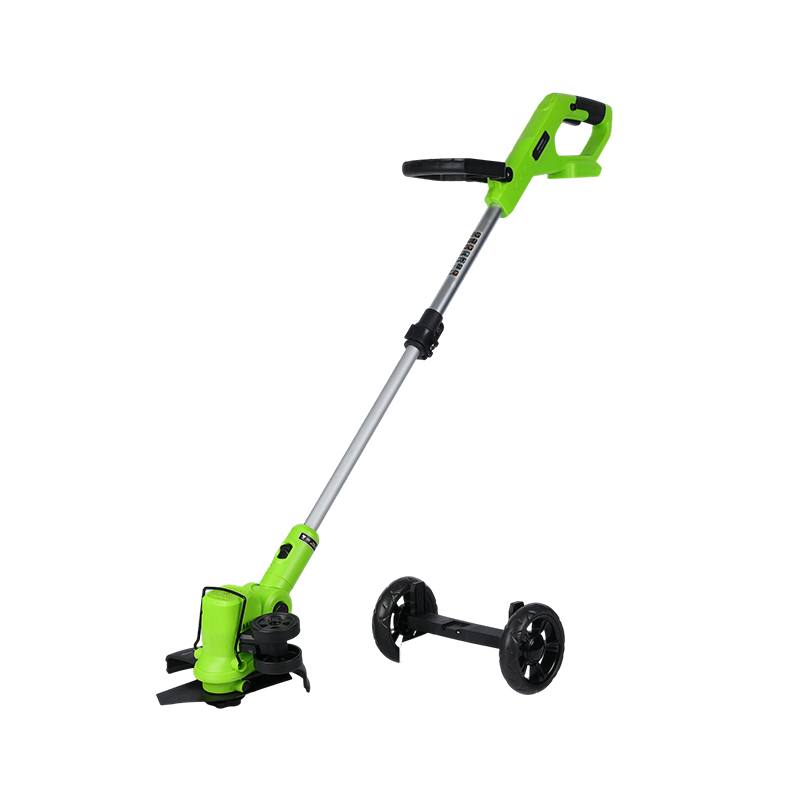
A cordless gardening tools factory typically produces several product categories. Grass trimmers, hedge shears, leaf blowers, chainsaws, and pruning saws all come in cordless versions. Each tool shares a common power source — rechargeable lithium-ion batteries — but each requires specific motor and cutting components. The factory must handle this variety while maintaining consistent quality across different product lines.
Battery and Motor Assembly
The heart of any cordless tool is its power system. A cordless gardening tools factory dedicates significant production space to battery and motor assembly. Lithium-ion battery cells arrive from suppliers and are tested for capacity and voltage. These cells are arranged into packs, soldered or welded to connection plates, and fitted with protection circuits. The completed battery packs then move to testing stations where they are charged and discharged to verify performance.
Motor production or assembly is another key area. Many cordless gardening tools factory operations use brushless motors for their higher efficiency and longer life. The motor assembly line includes stator winding, rotor balancing, bearing installation, and final testing. Each motor is run briefly to check for noise, vibration, and current draw within specified ranges.
Common components handled in a cordless gardening tools factory include:
- Battery packs with various voltage ratings (18V, 36V, 40V, and higher)
- Brushless motors matched to specific tool applications
- Control boards with speed regulation and overload protection
- Chargers with temperature monitoring and charge level indicators
Tool Assembly Lines
Different tools require different assembly processes in a cordless gardening tools factory. Hedge shears need reciprocating blade mechanisms with precise alignment. Grass trimmers require spool housings that feed line smoothly. Chainsaws need chain tensioning systems and automatic oilers. Each assembly line is configured for its specific product.
Plastic housings are typically injection molded, either in-house or by nearby suppliers. These housings must fit together precisely to keep dust and moisture away from internal components. Rubber overmolding on grips improves user comfort and control. Ventilation openings allow cooling air to reach the motor and electronics.
Quality checks occur at multiple points along each assembly line. Motor mounting bolts are torque-checked. Control board connections are verified. Safety switches are tested to confirm they stop the tool when released. A sample of finished tools from each batch runs through extended operation cycles to catch any early failures.
Quality Control and Testing
A cordless gardening tools factory cannot ship unreliable products. Garden tools face dust, moisture, vibration, and occasional drops. Quality control processes must simulate these conditions.
Typical testing procedures in a cordless gardening tools factory include:
- Run testing at full speed to verify motor and battery performance
- Drop testing from typical working heights onto concrete
- Water resistance testing using spray nozzles
- Switch cycle testing for thousands of operations
Battery packs receive special attention. Overcharging or overheating protection circuits are tested. Cell balance is verified. Each pack is marked with a date code and batch number for traceability. If a problem appears in the field, the factory can identify which batch of cells or which assembly station may be responsible.
Packaging and Distribution
Finished tools from a cordless gardening tools factory move to packaging stations. products ship in cardboard boxes with foam or cardboard inserts. The box includes the tool, one or more battery packs, a charger, and an instruction manual. Some products ship as "tool only" for users who already own compatible batteries.
Packaging design considers both protection and retail display. Boxes for store shelves show product images and key features on the outside. Bulk packaging for professional users uses plain cartons with basic labeling. A cordless gardening tools factory often maintains separate packaging lines for retail and commercial customers.
Warehouse organization matters for efficient shipping. Popular items such as grass trimmers and leaf blowers are stored near packing stations. Less common items may be kept in higher racks or separate areas. Inventory systems track each tool by model number, production date, and destination.
Supporting the Growing Cordless Market
From small urban gardens to large rural properties, cordless gardening tools continue to gain users. The cordless gardening tools factory produces the equipment that makes this possible — tools that start at the press of a trigger, run quietly, and require less maintenance than gas alternatives. As battery technology improves, these factories will likely produce tools with longer runtimes and more power, further reducing the reliance on cords and fuel.
 Previous

