


 English
 中文简体
中文简体
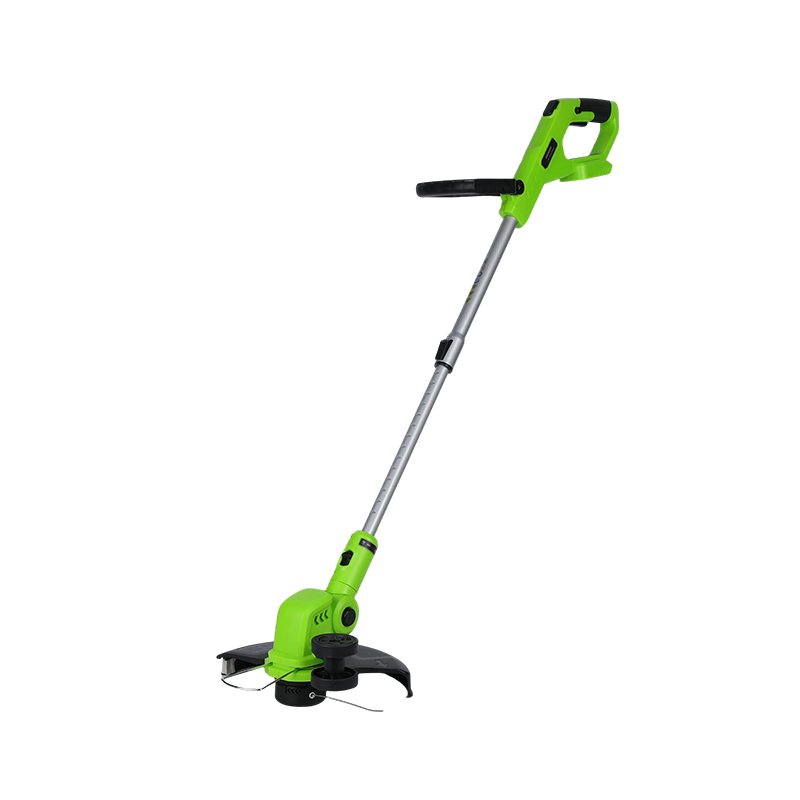
Lawn care equipment has evolved significantly in recent years. The brushless grass mower represents one of the more meaningful advancements for homeowners and groundskeepers. Unlike traditional mowers with brushed motors, a brushless grass mower uses an electronically controlled motor that operates with less friction and heat. This difference translates into longer run times, less maintenance, and more consistent cutting performance across different grass conditions.
The brushless grass mower draws power from rechargeable batteries rather than gasoline or corded electricity. The brushless motor design removes the physical brushes that transfer current in standard motors. Without brushes to wear down, the motor lasts longer and requires no periodic brush replacement. For users who mow weekly during growing seasons, this reliability makes a noticeable difference.
Battery and Motor Efficiency
The heart of a brushless grass mower is its motor-battery system. The motor adjusts its speed based on grass resistance. When moving through thick or wet grass, the motor draws more power to maintain blade speed. When cutting light grass or moving between sections, the motor reduces power consumption. This variable response extends battery life compared to motors that run at full speed continuously.
Common benefits of a brushless grass mower include:
- Longer runtime per battery charge than brushed models
- Quieter operation suitable for residential neighborhoods
- Less vibration transmitted to the user’s hands
- No sparking inside the motor during operation
Battery technology has improved alongside brushless motors. brushless grass mower units use lithium-ion battery packs that hold charge for extended periods. A fully charged battery may run the mower for 30 to 60 minutes depending on grass conditions and cutting height. Many models include swappable batteries, allowing users to keep a spare charged and ready.
Cutting Performance and Adjustability
The brushless grass mower cuts grass using a steel blade mounted directly to the motor shaft. Because brushless motors deliver torque efficiently at various speeds, the blade maintains cutting effectiveness even when the motor slows through thick patches. This consistent blade speed produces cleaner cuts compared to brushed motors that may bog down under load.
Cutting height adjustment on a brushless grass mower typically ranges from 25 to 80 millimeters. Users select settings based on grass type, season, and desired lawn appearance. Lower cuts work for Bermuda and zoysia grasses during active growth. Higher cuts suit fescue and other cool-season varieties. A single lever or wheel adjusts all four wheels simultaneously on models.
Deck materials vary across brushless grass mower products. Steel decks resist impacts but add weight. Polymer decks reduce overall weight, making the mower easier to push and lift. Weight distribution matters for maneuverability around trees, flower beds, and other obstacles.
Maintenance and Operating Costs
The brushless grass mower requires less routine maintenance than gasoline-powered alternatives. No oil changes, spark plugs, air filters, or fuel stabilizers are needed. The primary tasks are keeping the blade sharp, cleaning grass buildup from the underside of the deck, and storing the battery at appropriate temperatures.
Key maintenance points for a brushless grass mower include:
- Sharpening or replacing the blade after 20 to 30 hours of use
- Cleaning the deck after each mowing to prevent corrosion
- Storing batteries indoors during winter months
- Checking wheel adjustments at the start of each season
Operating costs for a brushless grass mower are primarily electricity for charging. A typical battery charge uses a small amount of electricity, costing much less than a tank of gasoline. Over several years of use, the savings on fuel and maintenance can offset the higher initial purchase price of brushless models.
Choosing the Right Model
Selecting a brushless grass mower involves matching features to lawn size and terrain. Small lawns up to 200 square meters work well with basic models featuring a single battery and polymer deck. Medium lawns up to 500 square meters benefit from larger batteries or dual-battery compatibility. Large lawns may require a self-propelled brushless grass mower to reduce physical effort.
Cutting width affects how many passes are needed. Narrower widths around 40 centimeters work well for yards with many obstacles. Wider decks around 50 centimeters cover more ground per pass but are heavier and harder to maneuver in tight spaces.
Wheel size influences how easily the brushless grass mower rolls over uneven ground. Larger rear wheels, typically 25 to 30 centimeters in diameter, handle bumps and slopes better than smaller wheels. Front wheels may be smaller to allow tighter turning.
A Practical Choice for Lawn Care
From suburban yards to rural properties, the brushless grass mower offers a practical alternative to gas-powered and brushed electric models. Its efficient motor, lower maintenance requirements, and quiet operation suit homeowners who value convenience and consistent cutting results.
 Previous

