


 English
 中文简体
中文简体
Power tools have gradually shifted toward lighter and more portable designs, especially in automotive repair, equipment maintenance, and home workshops. Among these tools, cordless ratchet wrenches have become increasingly common because they reduce manual effort in narrow working spaces. Behind these products, every Cordless Ratchet Wrench Factory operates through a combination of assembly planning, component testing, and workflow coordination that many end users rarely see.
The growing demand for compact repair tools
Mechanics and technicians often work in areas where traditional hand tools can slow down the process. Cordless ratchet wrenches help reduce repetitive wrist movement while improving access around engines, pipes, or industrial frames. As demand increases, a Cordless Ratchet Wrench Factory must balance production speed with consistency across different tool models.
Factories producing these tools are not only focused on output quantity. They also need to consider battery compatibility, motor stability, and ergonomic structure. Small design adjustments can affect how comfortable the tool feels during long repair sessions.
In recent years, more small workshops and DIY users have also entered the cordless tool market. This shift has encouraged manufacturers to create product lines aimed at both industrial buyers and casual users.
What happens inside a production facility?
Inside a Cordless Ratchet Wrench Factory, manufacturing usually starts with component preparation. Metal housings, gear systems, trigger assemblies, and battery connectors are processed separately before entering final assembly stages.
Torque testing is one of the routine procedures during production. Workers or automated systems check whether the wrench can maintain stable fastening performance under repeated operation. Battery charging cycles are also evaluated to ensure consistent power delivery.
Another important step is vibration inspection. Excessive vibration may affect handling comfort over time, especially for technicians using the tool daily. Because of this, many factories pay close attention to motor alignment and internal balancing during assembly.
A Cordless Ratchet Wrench Factory may also separate production lines according to voltage categories or intended usage scenarios. Tools designed for automotive repair may require different housing structures than those intended for lighter household tasks.
Material choices and product durability
Material selection directly affects the working life of cordless tools. Steel gears are commonly used in high-stress sections, while reinforced composite materials help reduce overall weight. In a Cordless Ratchet Wrench Factory, engineers often evaluate how these materials respond to repeated torque cycles and temperature variation.
Battery casing design is another area that receives attention. Since cordless tools are frequently moved between garages, construction sites, and storage boxes, external protection becomes part of long-term usability. Some factories also test grip textures to reduce slipping when hands are oily or wet.
Rather than focusing only on appearance, manufacturers usually prioritize structural balance and ease of maintenance. Replaceable battery systems and accessible internal layouts can simplify repair work later.
Why factory workflow matters to buyers
For distributors and importers, factory organization can influence delivery schedules and product consistency. A well-managed Cordless Ratchet Wrench Factory often relies on standardized inspection procedures before packaging and shipment.
Communication between sourcing teams and production departments also plays a role. Buyers may request customized branding, voltage adjustments, or packaging changes depending on regional markets. Flexible production planning helps factories respond to these requests without disrupting the overall workflow.
Environmental and workplace considerations have become more relevant in manufacturing discussions. Some facilities now review energy consumption and material waste during production cycles as part of operational planning.
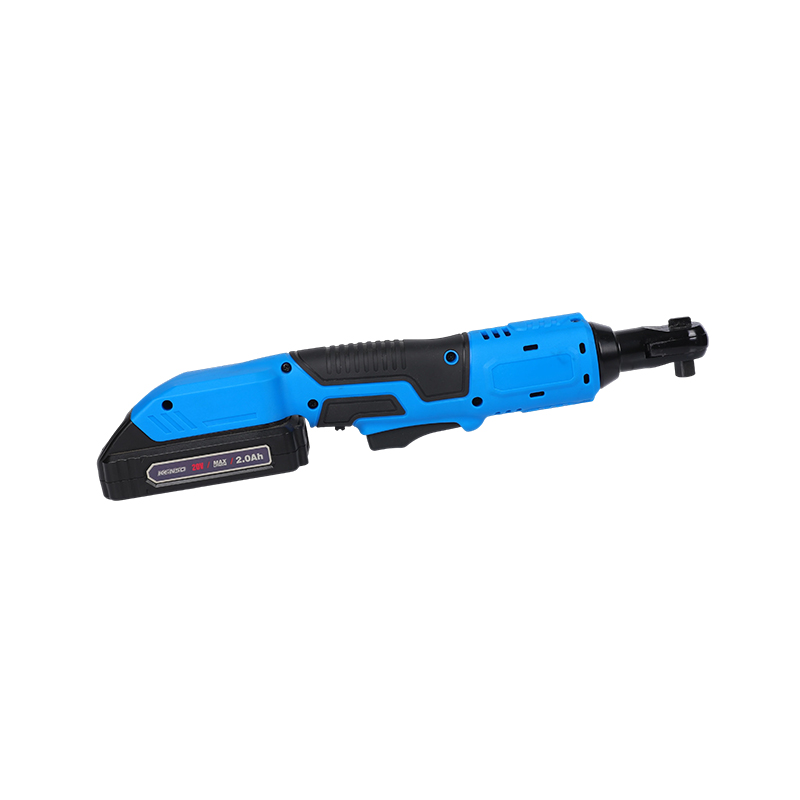
A cordless ratchet wrench may appear to be a simple workshop tool, but its manufacturing process involves careful coordination between design, testing, and assembly. Every Cordless Ratchet Wrench Factory operates within a system where durability, workflow efficiency, and user comfort all connect together. As cordless tools continue finding space in workshops and garages, factories will likely keep adapting to changing repair habits and market expectations.
 Previous

