


 English
 中文简体
中文简体
Garden maintenance has gradually shifted from fully manual tools to compact electric equipment that supports faster and more controlled cutting. Home gardeners, orchard workers, and landscaping crews now use portable power tools for branch trimming and seasonal maintenance tasks. In this changing market, the Brushless Pruning Saw has become a commonly discussed option for handling light to medium cutting work.
Instead of relying only on large chainsaws or hand saws, users are increasingly choosing smaller tools that are easier to carry and operate in confined spaces.
Why Compact Cutting Tools Are Becoming More Common
Tree maintenance often involves working in narrow areas, climbing ladders, or trimming branches at awkward angles. Large cutting equipment may feel heavy or difficult to control during detailed work.
A Brushless Pruning Saw is designed for mobility and easier handling during pruning tasks. The compact structure allows users to move between branches more freely while reducing the effort required for repetitive cuts.
Common applications include:
- Orchard branch trimming
- Backyard tree maintenance
- Vineyard management
- Landscape shaping
- Storm-damaged branch removal
These tasks usually require precision rather than heavy industrial cutting power.
Role of Brushless Motor Technology
One reason behind the growing use of the Brushless Pruning Saw is the shift toward brushless motor systems. Traditional brushed motors rely on physical contact between components, which can create friction and wear during operation.
Brushless motors operate differently by using electronic control systems instead of carbon brushes. This structure may help reduce heat buildup and support more stable operation during repeated use.
For outdoor tools, users often prefer equipment that requires less routine motor maintenance over time.
Portability and User Convenience
Weight and balance matter during long pruning sessions. A heavy tool can increase arm fatigue, especially when cutting branches overhead.
A Brushless Pruning Saw is usually designed with lightweight housing and battery-powered operation, which reduces the need for extension cords or fuel mixing. This setup supports movement across gardens, farms, and outdoor work areas without complicated preparation.
Many users also appreciate quicker startup compared with traditional fuel-powered cutting tools.
Battery Systems and Outdoor Workflows
Battery-powered tools have become more common in landscaping and garden maintenance. Modern battery systems allow users to move across larger outdoor spaces without depending on power outlets.
A Brushless Pruning Saw often uses rechargeable lithium battery packs that can be swapped during longer work sessions. This flexibility is useful in orchards or remote garden areas where access to electricity may be limited.
Different battery capacities are typically selected based on cutting frequency and branch thickness.
Safety and Handling Considerations
Although compact, pruning saws still require careful handling. Branch tension, cutting angle, and blade movement all affect operational safety.
A Brushless Pruning Saw may include safety features such as trigger locks, hand guards, or automatic stop systems. These features help reduce accidental activation during transport or repositioning.
Users are also encouraged to wear gloves and eye protection during trimming tasks, especially when cutting dry or brittle branches.
Seasonal Maintenance and Garden Planning
Tree care changes throughout the year depending on climate and plant growth cycles. Spring pruning, storm cleanup, and autumn branch management all create different cutting needs.
A Brushless Pruning Saw supports seasonal maintenance by allowing users to handle small and medium branches without bringing out larger forestry equipment. This makes it practical for homeowners managing gardens as well as commercial landscaping teams handling multiple properties.
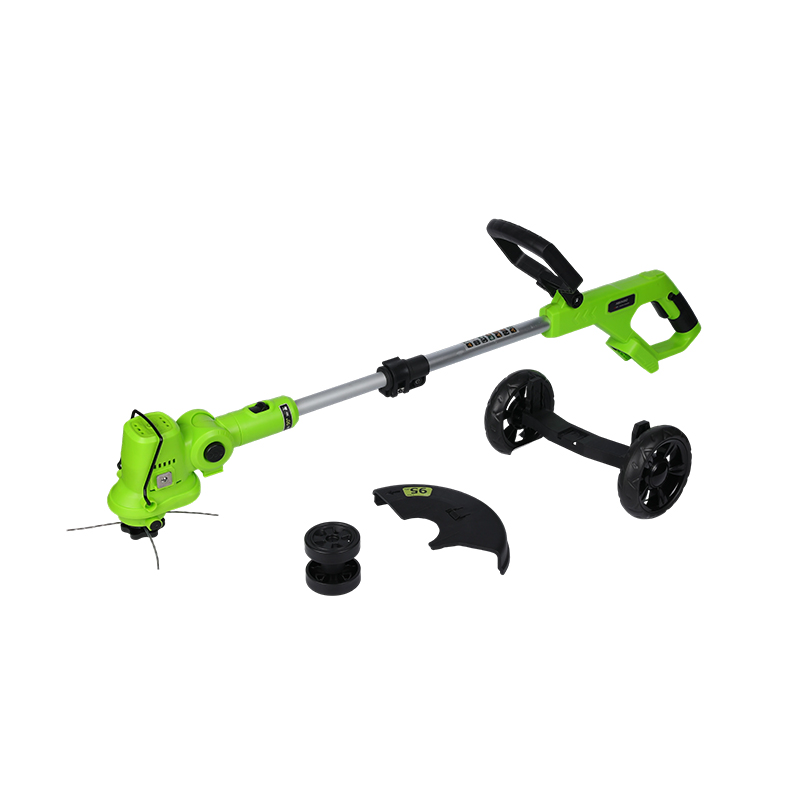
Portable electric tools continue to reshape outdoor maintenance routines. The Brushless Pruning Saw reflects this shift by combining compact handling, battery mobility, and modern motor systems into a tool designed for practical branch-cutting tasks.
As gardening, orchard management, and landscape maintenance continue evolving, smaller electric cutting equipment is becoming part of regular outdoor workflows where flexibility and portability matter in everyday use.
 Previous

