


 English
 中文简体
中文简体
Garden work used to feel more tied down. People often stayed close to a power socket, and movement was shaped by where the cable could reach. Over time, that picture has slowly shifted. Cordless Gardening Tools are now commonly seen in many home gardens, mainly because they remove that constant need to stay connected while working.
In real use, the difference is easy to notice. Instead of planning movement around a cable, users tend to move more naturally through different parts of the garden. It doesn't change the task itself, but it changes how the task flows.
In some discussions about outdoor electrical product manufacturing, Zhejiang QINSO Electric Appliance Co., Ltd. is sometimes mentioned in relation to general production practices in this category.
What stands out in cordless use is not complexity, but convenience in movement:
- No need to adjust cable position during work
- Easier access to corners and narrow paths
- Less interruption when changing working direction
- Simpler start-up before beginning tasks
- More flexible handling in uneven outdoor spaces
These small differences tend to matter more during longer or repeated garden work sessions.
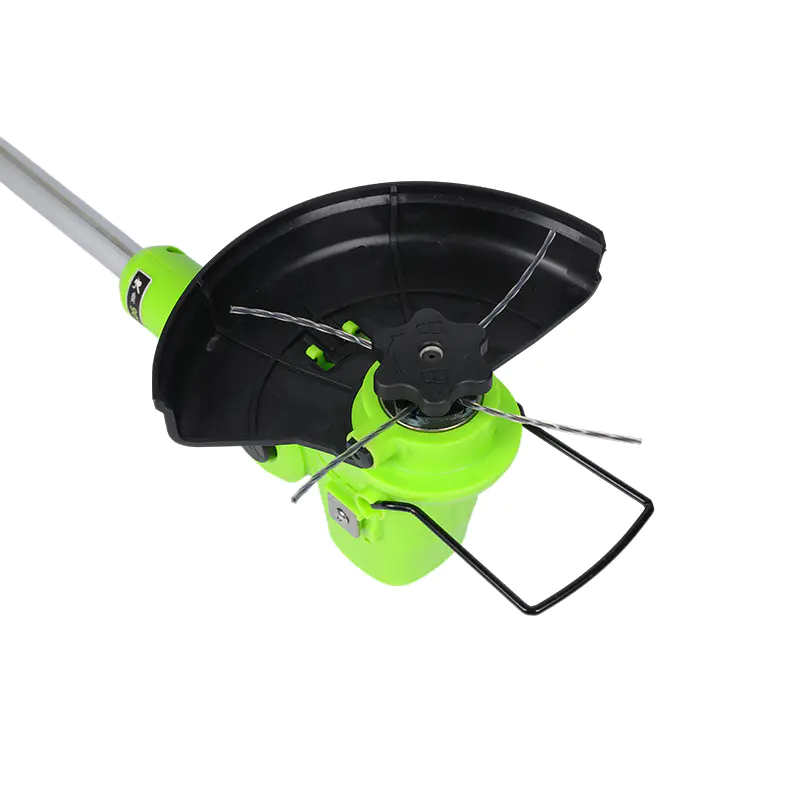
Structure And Working Principle Of Traditional Electric Garden Equipment
Traditional electric garden tools follow a more fixed pattern. The power source is continuous, but it comes from outside the tool. Because of that, movement naturally becomes linked to cable length and direction.
When working in a garden, the cable is always part of the attention. It may not feel like the main task, but it quietly influences how the user moves from one area to another.
In practice, this type of equipment is often associated with:
- Continuous connection to external power during use
- Stable operation as long as connection is maintained
- Movement shaped by cable reach
- Need for careful cable positioning
- More predictable but less free movement range
This setup works in many situations, but it does require the user to stay aware of the connection path while working.
Role Of Brushless Grass Mower In Cordless Gardening Tools System
Within Cordless Gardening Tools, the Brushless Grass Mower is often used in lawn care because of how it handles movement and cutting at the same time. The structure is designed to reduce internal friction, which helps the cutting process feel more consistent during use.
Instead of depending on a fixed power line, it works through stored energy. That difference changes how it behaves when moving across different parts of a lawn.
In actual use, it is often connected with:
- Steady cutting feel during forward movement
- Smoother response when grass density changes
- Easier control when turning or adjusting direction
- More balanced handling across uneven surfaces
- Consistent behavior during repeated short tasks
It does not remove the physical effort of garden work, but it helps make the movement between different areas feel less interrupted.
Mobility Differences Between Cordless Gardening Tools And Wired Systems
One of the clearest differences between the two systems is how movement is handled during operation. Cordless tools allow users to move without thinking about cable direction, while wired tools require constant awareness of that connection.
This affects how the work is performed in real environments, especially in gardens with obstacles, plants, or narrow paths.
Common differences in movement include:
- Cordless tools allow free walking paths without restriction
- Wired tools require planning around cable reach
- Corners and edges are easier to access with cordless systems
- Cable repositioning becomes part of wired tool operation
- Movement rhythm tends to be smoother without cable limits
In everyday use, this difference is less about capability and more about how much attention is needed during movement.
Power Supply And Energy Flow Comparison In Garden Equipment
Power delivery is another point where the two systems naturally diverge. Cordless tools rely on stored energy, while traditional equipment depends on continuous external input. This changes how work is paced during operation.
The difference becomes noticeable when working across multiple areas of a garden without stopping.
| Aspect | Cordless Gardening Tools | Traditional Electric Equipment |
|---|---|---|
| Power Source | Stored internal supply | External continuous connection |
| Movement Style | Free movement across space | Limited by cable range |
| Setup Process | Simple start before use | Requires connection handling |
| Working Flow | Continuous movement focus | Movement shaped by cable path |
| Flexibility | Suitable for varied layouts | Better for fixed areas |
Neither system is completely removed from limitations. They simply handle energy in different ways, which affects user behavior in practice.
Operational Behavior Of Brushless Grass Mower In Real Use
In real garden work, Brushless Grass Mower performance is often judged by how it behaves under changing ground conditions rather than in a controlled environment. Grass height, density, and direction can vary across even a small area.
During use, people often notice:
- Cutting motion stays relatively steady during movement
- Less resistance feel when changing direction
- Handling remains stable during longer use periods
- Smoother transition between different lawn sections
- More predictable response during repeated trimming
It is not about making the work effortless, but about keeping the motion more consistent as conditions change.
Maintenance And Handling Differences Between Both Systems
Maintenance is one of those parts of garden tools that people only notice after some time of use. Cordless Gardening Tools and traditional electric equipment don't just differ in how they work, but also in what needs attention during long-term handling.
Cordless systems usually have fewer visible external parts involved in daily operation. There is no cable to inspect or manage during use, which removes one common maintenance point. However, attention shifts more toward battery care and storage conditions.
Traditional electric equipment, on the other hand, brings a different routine. The cable becomes part of regular checking, especially for wear caused by bending or dragging during movement. Over time, this becomes part of the handling habit.
In practical use, differences often include:
- Cordless tools reduce cable-related wear checks
- Wired tools require attention to cable condition over time
- Storage habits differ due to power source structure
- Cleaning routines depend on exposure during use
- Moving parts still require similar general care in both systems
Neither system is maintenance-free. They simply shift where attention is needed.
Safety And Environmental Interaction In Garden Equipment Use
Safety in garden work is often connected to movement and surroundings. Cordless Gardening Tools change the way users interact with space because there is no cable trailing behind during operation.
This reduces one common source of distraction. Users can focus more on the ground and working area instead of tracking cable position. It feels more open, especially in gardens with plants, furniture, or uneven layouts.
Traditional electric equipment introduces a different kind of awareness. The cable becomes part of the working environment, and movement needs to consider its position to avoid pulling or tangling.
In real outdoor use, safety-related differences often appear as:
- Cordless tools reduce cable management during movement
- Wired tools require awareness of cable direction at all times
- Narrow or crowded areas are easier to navigate without cables
- Uneven ground conditions affect cable stability in wired systems
- Environmental obstacles influence movement patterns differently
The surrounding environment does not change, but the way users move through it can feel noticeably different.
Material And Structural Design In Cordless Gardening Tools
Cordless tools often need to balance two things that don't always sit together easily: light movement and stable structure. Since the tool is carried and moved continuously, weight distribution becomes part of the design thinking.
The Brushless Grass Mower is a good example of this balance. The internal structure needs to support consistent cutting, while the outer body must remain manageable during longer use periods.
Common structural considerations include:
- Compact housing for motor and internal components
- Balanced weight distribution during handling
- Protective outer shell for outdoor conditions
- Grip positioning for continuous movement control
- Structural stability during directional changes
Compared with wired equipment, there is often more focus on portability, since movement is not restricted by a cable. This changes how the entire structure is arranged around the user's motion.
Application Scenarios Of Brushless Grass Mower In Daily Maintenance
Brushless Grass Mower is often used in simple lawn maintenance rather than heavy landscape shaping. Its value is usually seen in repeated, familiar tasks where movement is frequent but not complicated.
In residential environments, use patterns tend to stay similar:
- Regular trimming of small or medium lawn areas
- Edge maintenance along paths or garden borders
- Light clearing of uneven grass growth
- Short sessions repeated across different zones
- Adjusting to different surface directions during movement
The tool does not change the nature of garden work, but it supports more flexible movement across these small tasks. That is where cordless systems tend to feel more noticeable in daily use.
Development Direction Of Garden Equipment Systems
Garden equipment design has been slowly shifting toward easier movement and simpler handling. Instead of focusing only on power delivery, more attention is placed on how the user moves through space while working.
Cordless Gardening Tools fit into this direction by removing cable limitations. Traditional electric systems remain relevant, especially in steady working environments, but their structure naturally keeps movement more defined.
Some ongoing trends in design thinking include:
- Reduction of unnecessary movement restrictions
- More focus on user walking patterns during operation
- Simpler interaction between tool and environment
- Adjustments for varied garden layouts
- Better alignment between tool structure and daily habits
Brushless Grass Mower systems are often included in this shift because they show how motor structure and movement freedom can work together without relying on external connections.
When comparing Cordless Gardening Tools and traditional electric garden equipment, the difference is not only in power source or structure. It is also in how users move, pause, and adjust while working.
One system follows a more fixed path shaped by connection, while the other allows movement to feel less restricted. Neither replaces the other completely. They simply fit different working styles and garden conditions, depending on how the space is used in everyday life.
 Previous

