


 English
 中文简体
中文简体




Can Cordless Yard Tools Run on a Single Charge?
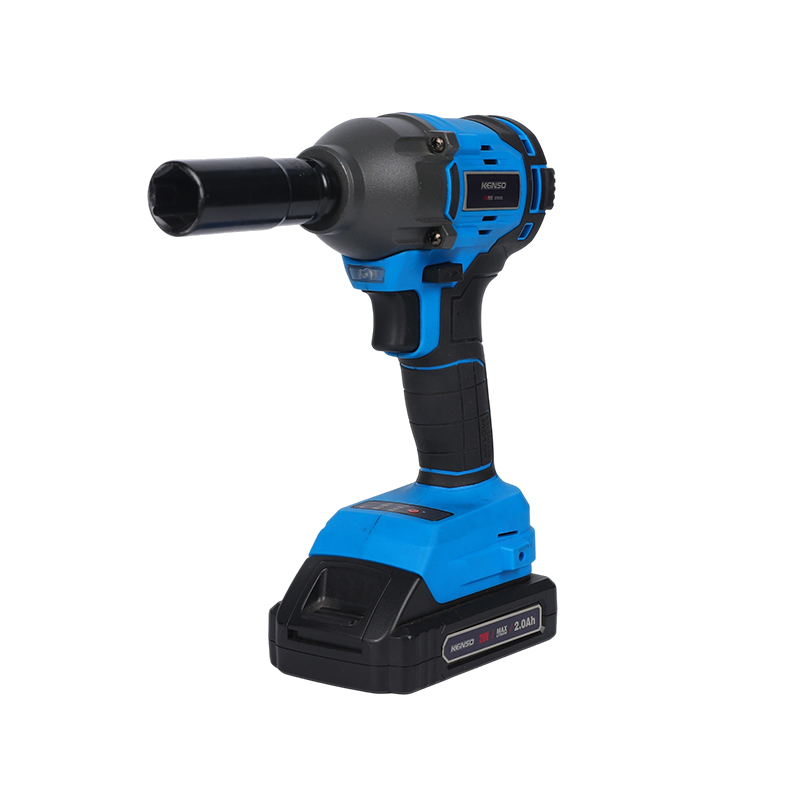
Cordless Yard Tools are highly convenient for garden maintenance, but one of the questions users often ask is about battery life. Understanding their runtime is crucial for planning outdoor tasks efficiently.
- Battery Capacity Matters – The runtime of Cordless Yard Tools depends heavily on the battery’s amp-hour (Ah) rating. Higher Ah batteries provide longer operational time but may also be heavier. For instance, a 5Ah battery can run a hedge trimmer longer than a 2Ah battery.
- Tool Type Impacts Duration – Not all tools consume energy equally. A cordless lawn mower will deplete its battery faster than a handheld trimmer or blower. Power-hungry tools naturally require more frequent recharging.
- Usage Patterns Affect Longevity – Continuous, heavy-duty use drains the battery quicker, while intermittent tasks allow for extended working time. Operators should plan breaks to let the battery cool if necessary, especially during long projects.
Battery Garden Tools Suitable for Large Yards?
Many gardeners wonder whether Battery Garden Tools are effective for larger properties. While cordless devices offer mobility and ease, their suitability for expansive areas depends on several factors.
- Battery Swapping – For larger yards, having multiple batteries on hand is essential. This allows one battery to charge while another is in use, preventing downtime.
- Tool Efficiency – Modern Battery Garden Tools are often engineered for efficiency. Features such as variable speed settings or brushless motors reduce energy consumption, allowing longer operation per charge.
- Size and Coverage – For very large lawns or extensive trimming work, combining cordless tools with traditional corded or gas-powered alternatives might be necessary. Battery Garden Tools excel in medium-to-large yards but may struggle with very extensive acreage if relying on a single battery.
What Common Misconceptions Exist About Cordless Electric Yard Tools?
Despite their growing popularity, Cordless Electric Yard Tools are surrounded by myths and misunderstandings. Knowing the truth can help gardeners improve their use.
- “They’re Not Powerful Enough” – Some believe cordless tools can’t match corded or gas-powered equipment. While older models had limitations, modern Cordless Electric Yard Tools often rival their corded counterparts in cutting and trimming performance.
- “Battery Dies Quickly” – It’s a misconception that all cordless devices have short runtimes. Proper battery management, like keeping them charged between uses and storing them in suitable conditions, ensures they last longer than many users expect.
- “Maintenance Is Complicated” – Many assume electric tools require more upkeep than gas models. In reality, cordless tools have fewer moving parts and don’t need oil changes or fuel, making them easier to maintain overall.
Users Improve Battery Life and Efficiency?
To fully benefit from Cordless Yard Tools and Battery Garden Tools, users should follow practices for usage and storage.
- Charge Properly – Avoid letting batteries fully drain before charging. Most lithium-ion batteries last longer when topped up regularly.
- Store Correctly – Keep batteries in a cool, dry environment. Extreme temperatures can reduce battery performance and lifespan.
- Select the Right Tool for the Job – Using a smaller, less powerful cordless tool for light tasks prevents unnecessary energy drain, extending runtime.
Cordless Electric Yard Tools: Cost-Effective Over Time?
Many gardeners question whether investing in cordless devices is worth it.
- Lower Maintenance Costs – Cordless tools don’t require fuel, filters, or oil changes, reducing ongoing expenses.
- Time Savings – Quick startup and mobility allow for faster yard work without dealing with cords or refueling.
- Durability Considerations – High-quality models are designed to last several years, and battery packs can often be replaced independently of the tool, making them a sustainable investment.


