


 English
 中文简体
中文简体
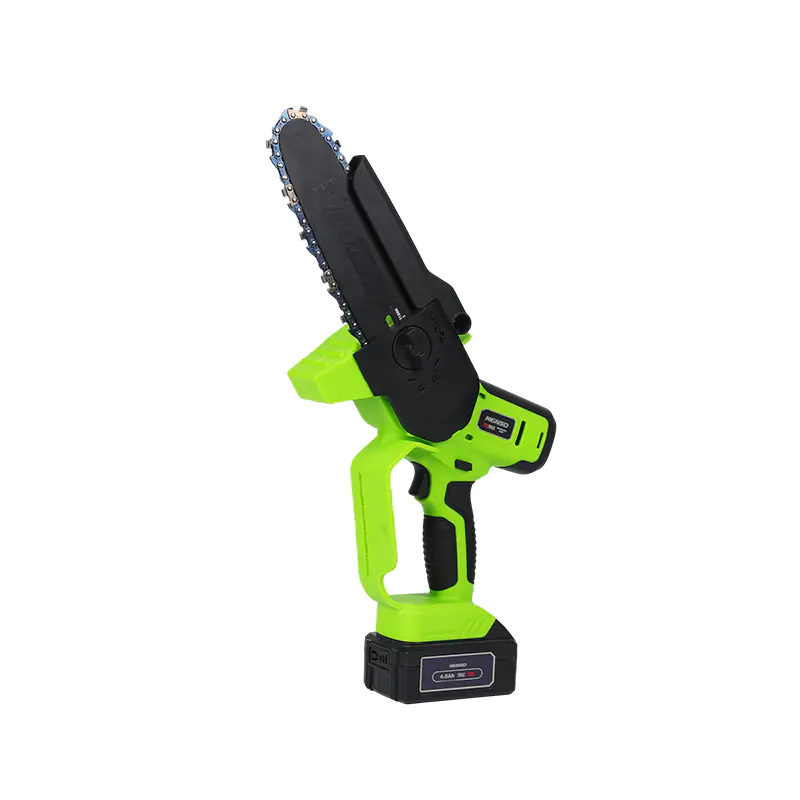
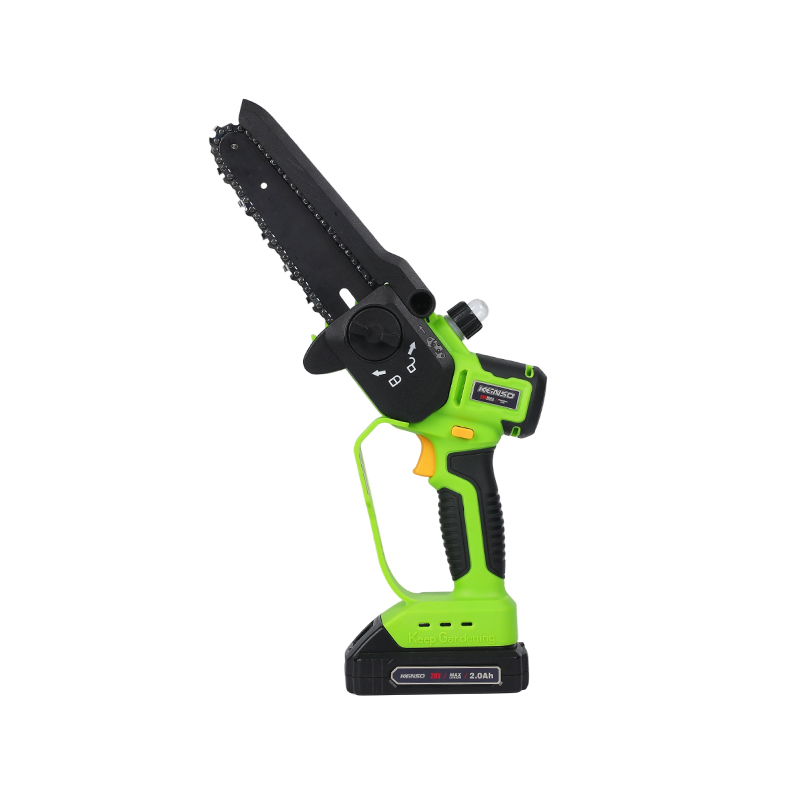









How Does a Brushless Mini Chainsaw Perform on Thick or Dry Branches?
- A Brushless Mini Chainsaw is popular for small-scale cutting tasks, but many users wonder how it handles tougher materials like thick or dry branches.
- Enhanced Torque and Cutting Power – Brushless motors convert electrical energy more efficiently than brushed motors, delivering consistent torque even under heavy load. This allows the saw to cut through thick or dry wood more smoothly.
- Reduced Motor Wear and Heat – By reducing friction, brushless designs reduce heat buildup, which helps maintain cutting speed and prevents motor fatigue during extended use.
- Blade Design and Chain Speed – Sharp, well-maintained chains combined with suitable speed ensure that the saw can slice through denser branches without stalling or requiring excessive force.
- Practical Limits – While capable for small to medium branches, extremely large or hardwood logs may still require a larger chainsaw or multiple passes to achieve a clean cut.
How to Choose a Cordless Mini Chainsaw That Matches Your Yard Size?
Selecting the right Cordless Mini Chainsaw depends on yard size, vegetation type, and frequency of use.
- Battery Capacity and Runtime – Larger yards require higher-capacity batteries to avoid frequent recharging. Look for models with lithium-ion packs rated for at least 30–40 minutes of continuous operation.
- Cutting Bar Length – Short bars (6–8 inches) are easier to handle and ideal for small gardens, while longer bars (10–12 inches) provide better reach for medium-sized yards.
- Motor Type – Brushless motors generally deliver better efficiency, longer battery life, and more consistent cutting performance.
- Weight and Ergonomics – For extended trimming sessions, a lightweight and balanced design reduces fatigue and allows better control, especially when maneuvering around trees and shrubs.
- Safety Features – Look for chain brakes, low kickback chains, and protective hand guards to prevent accidents during use.
Can a Brushless Pruning Saw Handle Thick Branches or Hardwood Smoothly?
Gardeners often ask whether a Brushless Pruning Saw can efficiently cut dense branches or hardwood without stalling or damaging the tool.
- High Torque Output – Brushless pruning saws are designed to maintain high torque under load, allowing the blade to penetrate thicker branches with effort.
- Optimized Chain and Blade Design – Many models use chains with smaller links or specialized teeth patterns to reduce binding and allow smoother cuts on hardwood.
- Battery and Motor Coordination – Advanced brushless systems regulate power output based on resistance, preventing stalling even when cutting challenging wood types.
- User Technique Matters – While the tool can handle thick branches, applying steady, controlled pressure and letting the saw do the work ensures clean cuts and protects the motor.
What Practical Factors Affect Mini Chainsaw Performance?
Beyond motor type, several factors influence overall efficiency and user experience.
- Regular Chain Maintenance – Sharpening the chain and checking tension regularly ensures smooth cutting and prevents unnecessary motor strain.
- Battery Management – Fully charged batteries provide torque, while partially drained batteries may reduce cutting speed and efficiency.
- Correct Cutting Angle – Positioning the saw properly on the branch and maintaining a steady rhythm improves performance and reduces wear on both the blade and motor.
- Environmental Considerations – Avoid extremely wet, frozen, or dirty branches that can clog the chain or reduce cutting efficiency.
By considering yard size, branch thickness, and motor type, users can select a Brushless Mini Chainsaw, Cordless Mini Chainsaw, or Brushless Pruning Saw that provides safe, efficient, and reliable performance for everyday garden tasks.


