


 English
 中文简体
中文简体






Performance Gap Significant Between a Cordless Leaf Blower and Corded or Gas Models?
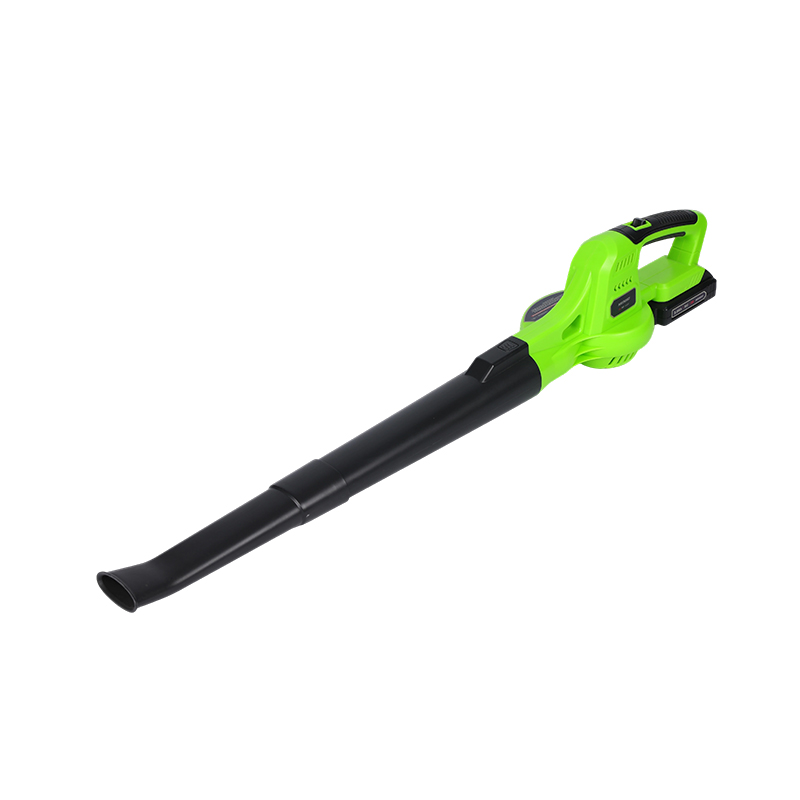
Many homeowners compare a Cordless Leaf Blower with corded or gas-powered alternatives and wonder whether performance differences are noticeable in real use.
- Power Output Evolution – Older cordless models were clearly weaker, but modern battery technology and motor efficiency have narrowed the gap. For routine yard cleaning, cordless units now provide sufficient airflow for dry leaves and light debris.
- Consistency vs. Peak Power – Gas blowers still offer higher peak airflow, especially for heavy-duty or commercial tasks. However, cordless tools deliver more consistent output without engine fluctuations or fuel-related issues.
- Mobility and Control – Without cords or fuel tanks, cordless designs allow better maneuverability around trees, patios, and garden furniture. This often improves practical efficiency even if raw power is slightly lower.
- Maintenance Trade-Offs – Corded models require power outlets and extension cords, while gas units need fuel mixing and engine care. Cordless options reduce maintenance time, which many users value more than power.
How Effective Is a Garden Tools Leaf Blower in Wet Conditions or Thick Leaf Layers?
Users often question whether a Garden Tools Leaf Blower can handle damp leaves or heavier accumulations effectively, especially after rain or during peak autumn seasons.
- Impact of Moisture on Performance – Wet leaves stick together and to the ground, increasing resistance. While lightweight blowers may struggle, mid- to high-powered garden models can still move damp debris with proper technique.
- Air Volume vs. Air Speed – In thick leaf layers, air volume (CFM) is often more important than air speed. Tools designed with wider nozzles and optimized airflow perform better in these challenging conditions.
- Layered Cleaning Approach – Instead of clearing everything at once, users can remove the top layer and then work downward. This method improves effectiveness when dealing with compacted or moist leaves.
- Surface Considerations – Performance varies by surface type. Hard surfaces like driveways and patios are easier to clean when wet, while grass or soil may require repeated passes for thorough results.
Cordless Brushless Leaf Blower Suitable for Women or Elderly Users?
Ease of use is a major consideration, and many people ask whether a Cordless Brushless Leaf Blower is comfortable and safe for users with less physical strength.
- Lightweight Construction – Brushless motor designs are often lighter and better balanced, reducing arm and shoulder strain during extended use. This makes the operation more comfortable for women and older users.
- Reduced Vibration and Noise – Brushless technology reduces vibration and operates more quietly, improving control and reducing fatigue. Lower noise levels also make the experience less stressful.
- Simple Start and Controls – Push-button starting and intuitive speed controls eliminate the physical effort associated with pull-start gas engines. Adjustable speed settings allow users to match power to their comfort level.
- Safety and Stability – Many models feature ergonomic grips and stable airflow control, helping users maintain balance and avoid sudden force changes during operation.
When Is a Cordless Option the Better Choice Overall?
Performance alone does not determine the tool for every user.
- Residential Environments – Lower noise and zero emissions make cordless blowers more suitable for neighborhoods with noise restrictions.
- Occasional and Moderate Use – For routine garden maintenance, cordless models provide sufficient power without the complexity of fuel or cords.
- User Comfort Priorities – For those prioritizing ease of use, safety, and reduced physical strain, cordless brushless designs often offer the balance of performance and comfort.


