


 English
 中文简体
中文简体
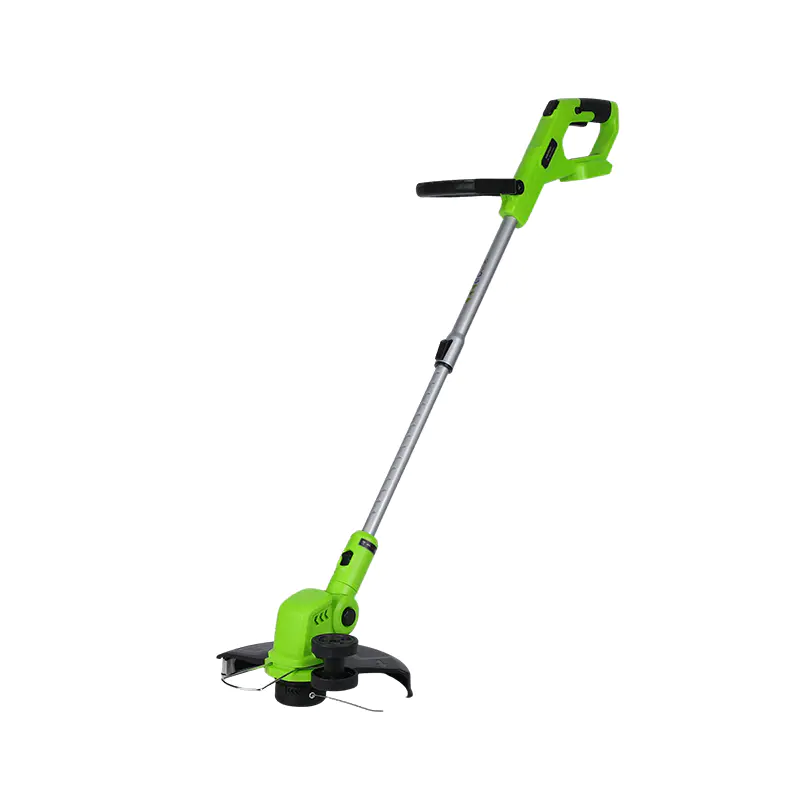
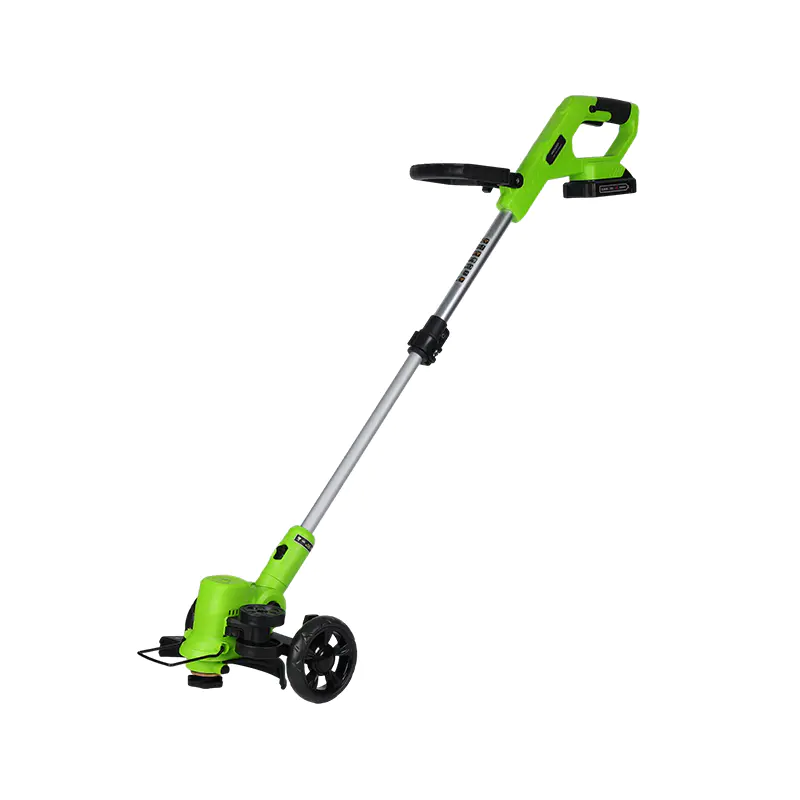



Brushless Grass Mower More Powerful Than a Brushed Motor Model?
A Brushless Grass Mower is often promoted as a higher-performance option, but users want to know whether the power difference is truly noticeable in everyday lawn care.
- Motor Efficiency and Torque – Brushless motors convert electrical energy into motion more efficiently than brushed motors. This higher efficiency allows more usable torque to reach the cutting blade, especially under load.
- Consistent Power Delivery – Unlike brushed motors that lose efficiency as brushes wear down, brushless designs maintain stable output. This consistency is particularly helpful when cutting thicker grass or uneven areas.
- Heat and Energy Loss Reduction – Brushed motors generate more friction and heat, which reduces effective power. Brushless motors reduce internal friction, allowing more energy to be used for cutting rather than wasted as heat.
- Real-World Performance Impact – While peak power ratings may appear similar on paper, brushless mowers often feel stronger during operation because they maintain speed better when encountering resistance.
Cordless String Trimmer Supports Different Line Thicknesses?
A common concern for buyers is whether a Cordless String Trimmer can handle various line diameters for different trimming tasks.
- Standard Line Compatibility – Most cordless trimmers are designed to support a specific range of line thicknesses, commonly between 1.6 mm and 2.4 mm. This range covers light edging as well as moderately dense weeds.
- Motor and Head Design Limitations – Thicker lines increase cutting force but also require more torque. Trimmers with stronger motors and reinforced heads are better suited to handle thicker lines without excessive strain.
- Adjustability and User Options – Some models feature interchangeable cutting heads or adjustable spools, allowing users to switch line thickness based on task requirements. This flexibility improves overall usability.
- Balance Between Power and Runtime – Using a thicker line increases resistance, which can reduce runtime. Users should balance cutting performance with battery efficiency when selecting line size.
Can a Cordless Power Trimmer Replace a Gas-Powered Trimmer?
Many homeowners question whether a Cordless Power Trimmer can realistically replace traditional gas-powered equipment for routine yard maintenance.
- Advances in Battery Technology – Modern lithium-ion batteries provide higher voltage and stable output, enabling cordless trimmers to deliver performance once limited to gas models.
- Comparable Cutting Capability – For trimming lawn edges, weeds, and light brush, cordless trimmers now achieve results similar to gas-powered units without fuel mixing or engine noise.
- Limitations in Heavy-Duty Tasks – Gas trimmers may still outperform cordless models when clearing very thick brush or working continuously for extended periods. However, this gap continues to narrow as technology improves.
- Convenience and Control Advantages – Cordless models start instantly, operate more quietly, and require less physical effort, making them more appealing for residential use.
What Should Users Consider When Choosing Between These Tools?
Selecting the right trimming or mowing equipment requires matching tool capability with actual needs.
- Yard Size and Vegetation Type – Larger lawns or denser growth benefit from higher torque and longer runtime, while small gardens may not require power.
- Frequency of Use – Frequent users may value durability and low maintenance, while occasional users may prioritize ease of storage and operation.
- Noise and Environmental Factors – Electric tools operate more quietly and produce no direct emissions, making them better suited for residential neighborhoods.
By understanding motor technology, cutting system compatibility, and realistic performance expectations, users can confidently choose modern cordless solutions that meet their lawn and garden maintenance needs.


