


 English
 中文简体
中文简体
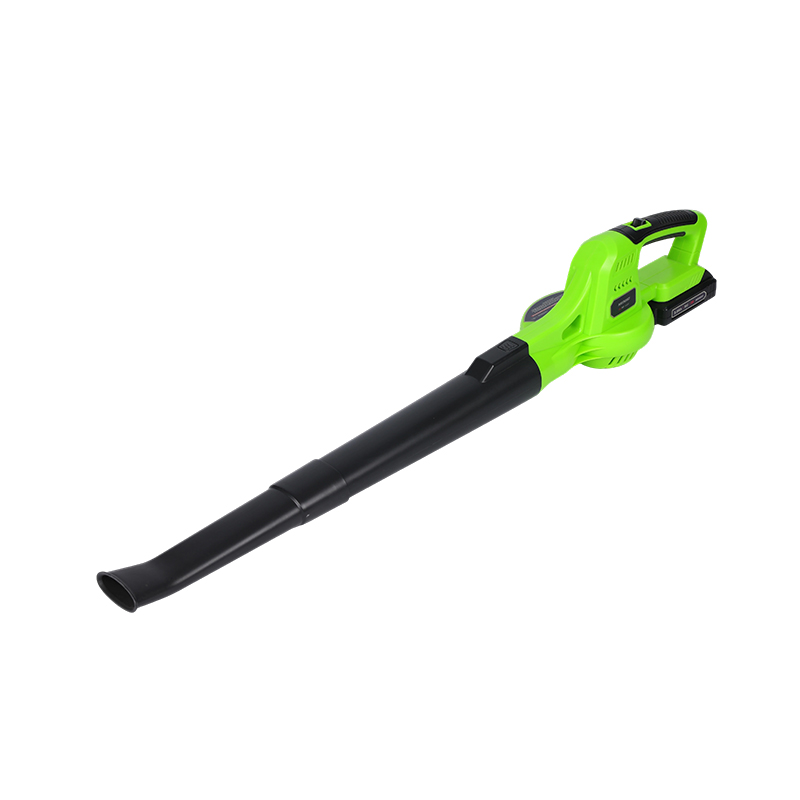
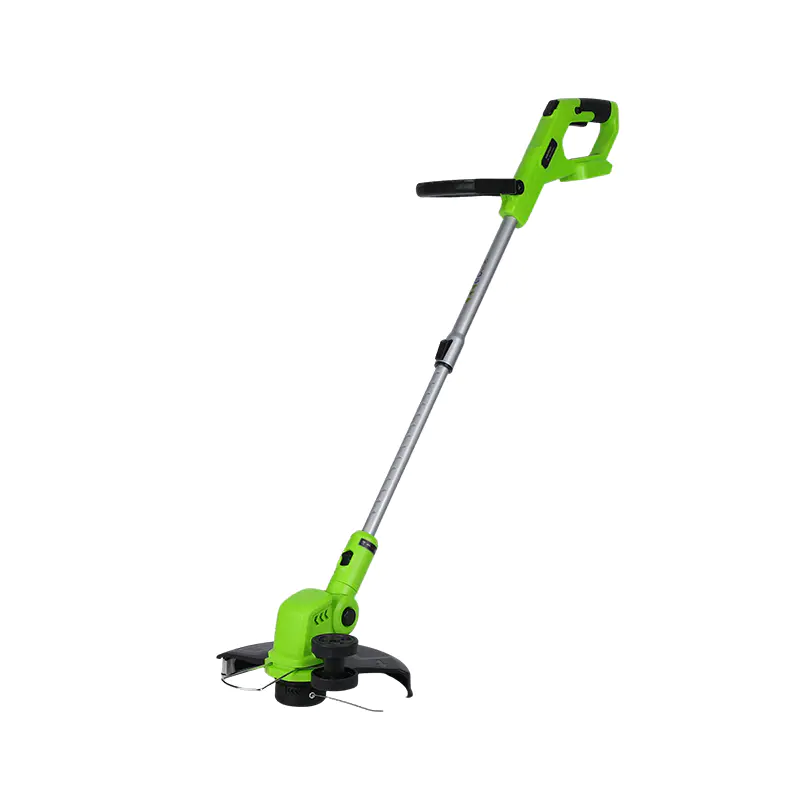
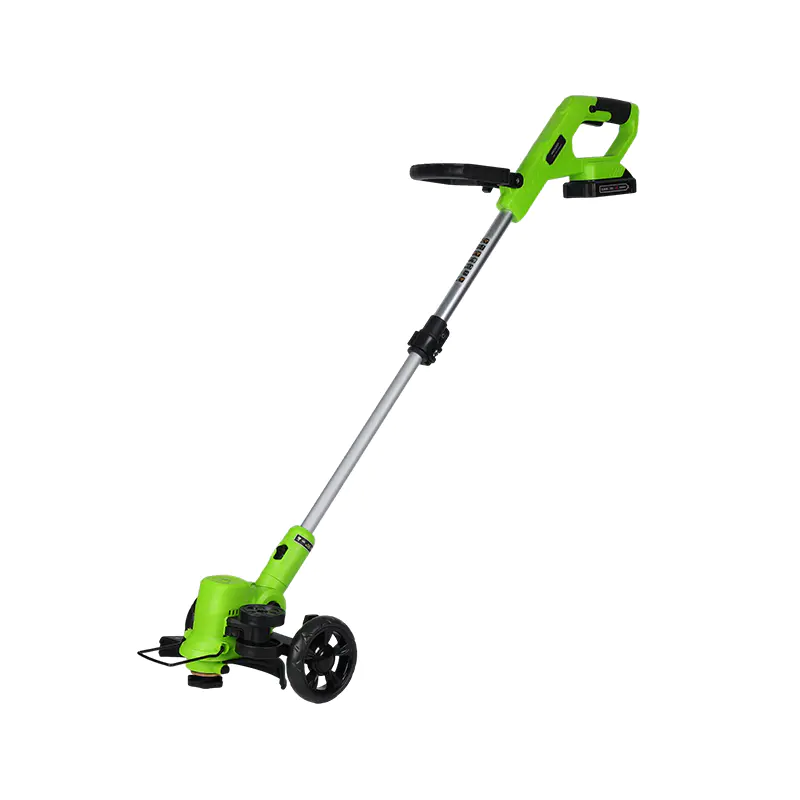
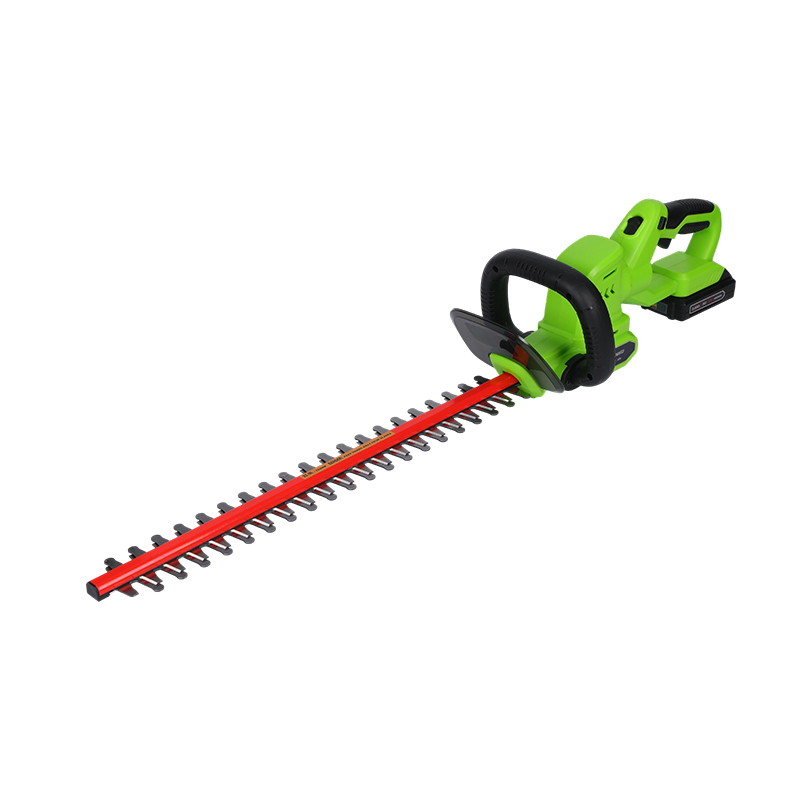
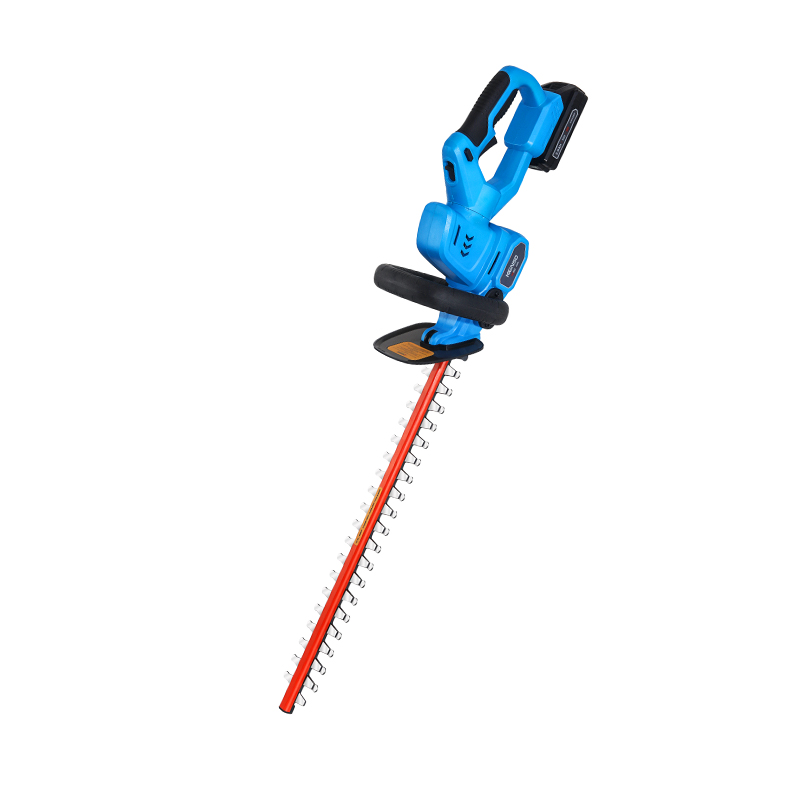
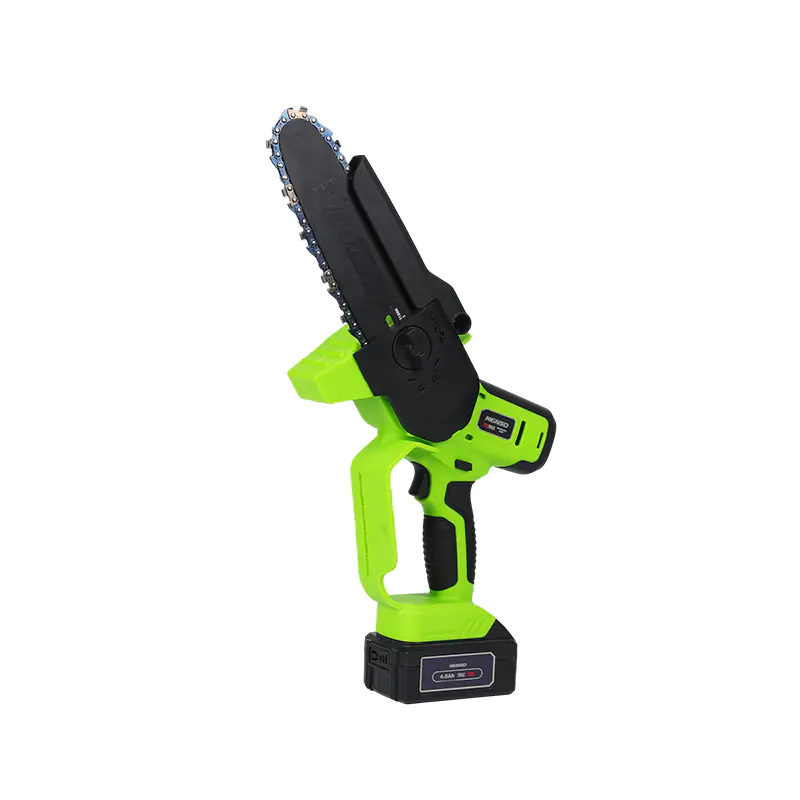
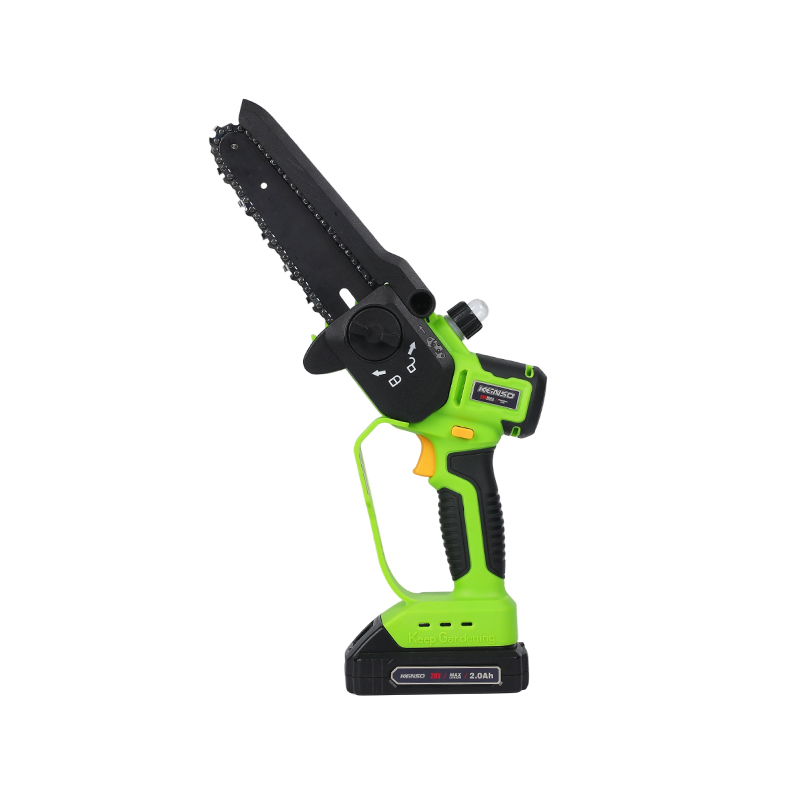




Cordless Gardening Tools Less Powerful Than Gas-Powered Alternatives?
Many gardeners often wonder whether Cordless Gardening Tools can match the performance of traditional gas-powered equipment. Understanding the differences is crucial for making informed purchasing decisions.
- Power Output Comparison – Historically, cordless tools had lower cutting or trimming power compared to fuel-powered machines. However, modern lithium-ion batteries and brushless motors have significantly narrowed this gap. Many high-end cordless hedge trimmers, blowers, and lawn mowers now deliver comparable torque and efficiency.
- Tool-Specific Performance – The perceived power difference varies by tool type. For example, cordless leaf blowers may feel less forceful than a gas blower at output, while cordless hedge trimmers often match gas models in cutting medium-thickness branches.
- Efficiency Gains – Cordless devices are often designed to operate efficiently, converting battery energy directly into motor performance. Unlike gas engines, which lose energy through combustion heat, electric motors maintain more consistent power delivery over time.
Determine if a Battery Multi-Tool Garden Device is Strong Enough?
- Battery Multi-Tool Garden devices are popular for their versatility, but evaluating performance can be challenging. There are several factors to consider before deciding whether a model meets your needs.
- Motor Type and Technology – Brushless motors provide higher efficiency, longer runtime, and greater torque compared to brushed motors. Check if the multi-tool uses brushless technology for better performance.
- Battery Specifications – Voltage and amp-hour (Ah) ratings are strong indicators of potential power and runtime. Higher voltage generally means higher torque, while larger Ah ensures longer operation without recharging.
- Accessory Compatibility – Multi-tools rely on attachments for cutting, trimming, or pruning. Ensuring the device supports your required attachments at full power is essential. Some tools may lose effectiveness when using larger, more demanding attachments.
- User Reviews and Field Tests – Practical feedback from other gardeners can help gauge real-world performance. Pay attention to reports on cutting thick branches, sustained operation, and battery longevity.
Cordless Garden Machinery Devices: Compare in Noise and Emissions?
Noise and environmental impact are key considerations for modern gardening equipment. Cordless Garden Machinery offers advantages over traditional gas-powered tools in these areas.
- Noise Levels – Cordless devices are significantly quieter. Leaf blowers, trimmers, and lawn mowers powered by batteries operate at around 60–75 decibels, whereas gas-powered equivalents can reach 90 decibels or higher. Lower noise levels reduce disturbance to neighbors and make prolonged use more comfortable.
- Zero Direct Emissions – Battery-powered machinery produces no exhaust, unlike gas tools that emit carbon monoxide, hydrocarbons, and nitrogen oxides. Using Cordless Garden Machinery helps reduce your carbon footprint and contributes to cleaner air in residential areas.
- Maintenance Benefits – Less noise and emissions often correlate with simpler maintenance. Without fuel, oil changes, or spark plugs, cordless equipment is easier to operate and maintain while staying environmentally friendly.
What Should Gardeners Consider When Choosing Between Cordless and Gas-Powered Tools?
When selecting equipment, consider garden size, task frequency, and power needs.
- Garden Size and Task Scope – For large properties or heavy-duty cutting, having multiple batteries or combining cordless tools with gas-powered backup may be practical.
- Tool Performance Requirements – Assess the specific power and torque needed for branches, hedges, or lawn thickness before relying solely on cordless solutions.
- Budget and Long-Term Goals – Consider upfront cost, maintenance savings, and environmental impact when deciding which type of tool fits your lifestyle.


