


 English
 中文简体
中文简体



Does Overheat During High-Load Drilling?
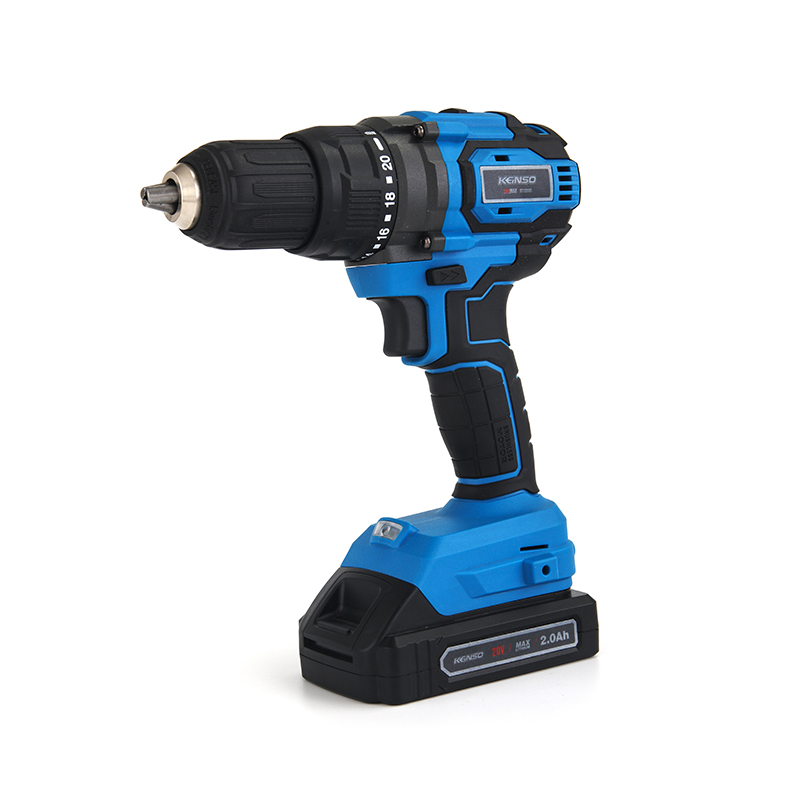
A Cordless Dual Speed Drill is popular for its versatility, but users often wonder how it performs under heavy-duty drilling.
- Motor Efficiency – Modern dual-speed drills are usually equipped with brushless motors, which generate less heat and improve energy efficiency compared to older brushed designs.
- Heat Management – High-quality models include ventilation slots and heat-dissipating materials to prevent overheating during extended or heavy-duty use.
- Battery Considerations – Lithium-ion batteries maintain stable voltage under load, helping the drill sustain performance without excessive heat buildup.
- Practical Tips – To avoid overheating, users should avoid continuous drilling for extended periods and allow short breaks when working with dense materials like metal or hardwood.
Precision Drilling and Heavy-Duty Work?
The Cordless Variable Speed Drill provides adjustable speeds and torque, which are crucial for precision and versatility.
- Speed Control – Variable speed allows users to start drilling slowly for accuracy and then increase speed for efficiency when material permits.
- Torque Adjustment – Many models include multiple torque settings, enabling safe drilling into different materials without stripping screws or damaging surfaces.
- Heavy-Duty Capability – While cordless variable speed drills can handle moderately heavy-duty tasks, extremely dense or thick materials may require more powerful models or occasional breaks to prevent motor strain.
- Precision Applications – Low-speed settings are ideal for delicate materials or fine woodworking, making the drill versatile for both home and professional use.
Maintain Stable Speed and Torque Under Heavy Load?
The Lithium Battery Dual Speed Drill combines long-lasting battery power with dual-speed functionality, but its performance under stress is critical for demanding users.
- Battery Power Consistency – Lithium-ion batteries provide steady current output, allowing the drill to maintain consistent speed and torque even under load.
- Dual-Speed Advantage – Switching between low and high speed enables suitable performance: low speed for torque-intensive tasks, high speed for faster drilling in less resistant materials.
- Heat Management – Effective design features, such as metal gear housings and thermal protection circuits, prevent overheating during extended heavy-duty use.
- Practical Benefits – Users can rely on a lithium battery dual-speed drill for longer tasks without worrying about sudden drops in torque, making it suitable for workshop or construction work.
What Factors Affect Drill Performance Under Load?
Several key elements determine how well cordless drills handle heavy-duty tasks.
- Motor Type – Brushless motors are more efficient and generate less heat, providing longer continuous operation.
- Battery Quality – High-capacity lithium-ion batteries deliver stable voltage, which helps maintain consistent torque.
- Cooling Design – Proper ventilation and thermal protection prevent overheating and extend tool life.
- User Technique – Applying steady pressure without forcing the drill helps prevent motor strain and ensures suitable speed and torque retention.
When Should You Choose Each Type of Drill?
- Cordless Dual Speed Drill – For general-purpose tasks where versatility and moderate heavy-duty performance are required.
- Cordless Variable Speed Drill – Ideal for precision drilling and adjustable torque applications.
- Lithium Battery Dual Speed Drill – Suitable for demanding workloads where consistent torque, speed, and battery reliability are essential.
By considering motor efficiency, battery stability, speed control, and heat management, users can select a Cordless Dual Speed Drill, Cordless Variable Speed Drill, or Lithium Battery Dual Speed Drill that reliably handles both precision tasks and heavy-duty drilling with risk of overheating or performance loss.


