


 English
 中文简体
中文简体
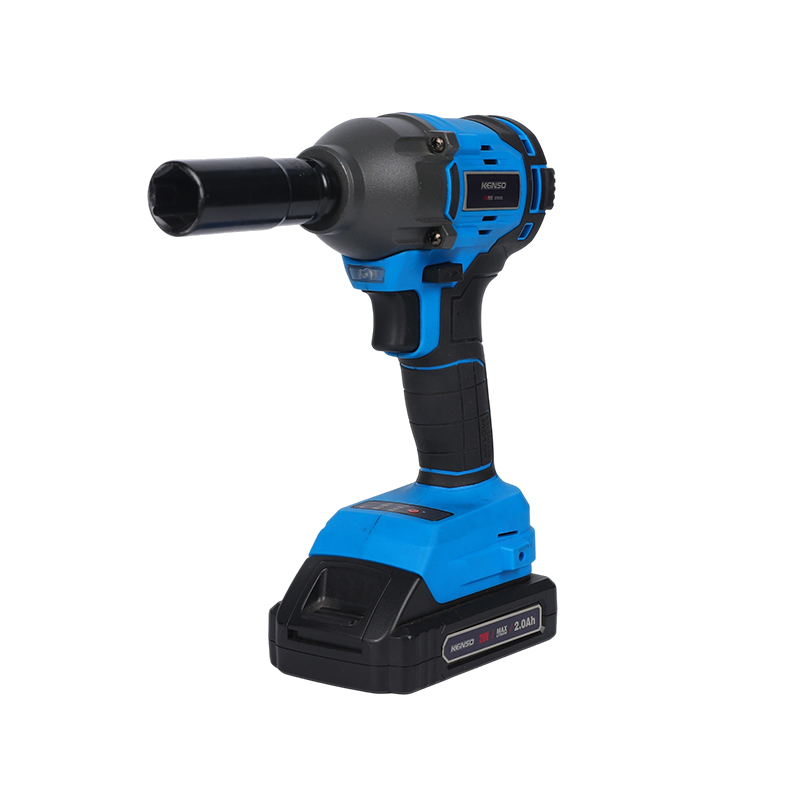



Can Cordless Auto Care Power Tools Be Used for Both Waxing and Polishing?
Cordless Auto Care Power Tools are widely used for vehicle detailing, and many users want to know whether one device can handle both waxing and polishing without compromising results.
- Interchangeable Pads Enable Versatility – Most modern cordless detailing tools support multiple pad types. Soft foam or microfiber pads are suitable for waxing, while firmer pads are designed for polishing light scratches and oxidation.
- Variable Speed Control Matters – Waxing typically requires lower speeds to spread protective coatings evenly, whereas polishing needs higher speeds to correct paint surfaces. Adjustable speed settings allow smooth switching between the two tasks.
- Consistent Motion Improves Finish Quality – Electric tools maintain steady rotation or oscillation, which helps achieve uniform wax layers and more even polishing compared to manual application.
- Proper Technique Is Still Essential – Although one tool can perform both functions, incorrect pad choice or excessive speed can damage paint. Testing on a small area is always recommended.
How Do Automotive Cordless Power Tools Compare to Pneumatic Tools in Performance?
Automotive Cordless Power Tools are often compared with pneumatic tools traditionally used in professional garages. Each option offers distinct performance characteristics.
- Power and Torque Output – Pneumatic tools are known for high torque when supplied with consistent air pressure. However, modern cordless tools equipped with brushless motors now deliver strong and stable output for most detailing and light repair tasks.
- Mobility and Convenience – Pneumatic systems require air hoses and compressors, limiting movement. Cordless tools provide greater freedom, making them ideal for home garages and mobile detailing services.
- Energy Efficiency – Electric motors convert energy more efficiently than compressed air systems, which lose power through air leakage and pressure drops. This efficiency results in smoother operation and predictable performance.
- Maintenance Considerations – Pneumatic tools depend on compressor maintenance and moisture control, while cordless tools mainly require battery care and routine cleaning, reducing overall upkeep.
Are Cordless Automotive Tools Prone to Overheating During Extended Use?
Cordless Automotive Tools are designed for portability, but prolonged operation can raise concerns about heat buildup and durability.
- Advanced Motor Design Reduces Heat – Brushless motors generate less friction than traditional brushed motors, significantly lowering internal temperatures during extended use.
- Thermal Protection Features – Many tools include built-in sensors that monitor temperature. When overheating is detected, output may be reduced, or the tool may temporarily shut down to prevent damage.
- Battery Temperature Management – Batteries can heat up under heavy load, especially during high-speed polishing. Quality battery management systems help regulate temperature and protect battery cells.
- Usage Habits Influence Heat Levels – Continuous operation at speed increases heat. Allowing short cooling breaks can greatly reduce thermal stress and extend tool lifespan.
What Factors Affect Dual-Function Performance in Cordless Detailing Tools?
Successfully using one tool for both waxing and polishing depends on several practical and technical factors.
- Tool Weight and Balance – A well-balanced design reduces user fatigue and improves control, especially during longer detailing sessions.
- Attachment Stability – Secure pad mounting systems ensure consistent surface contact and reduce vibration when switching between tasks.
- Battery Capacity and Runtime – Adequate battery capacity is necessary to complete multiple detailing stages without interruption or power loss.


