


 English
 中文简体
中文简体
The Lithium Battery Transformation
Not long ago, dragging extension cords across yards or mixing fuel for gas engines defined gardening work. Today, lithium-ion battery technology has transformed the industry completely. A cordless gardening tools factory now produces equipment running on rechargeable power sources lasting hours on single charges. These facilities have multiplied across industrial regions as demand for quiet, emission-free tools explodes among homeowners and professionals seeking better alternatives to traditional gas-powered equipment.
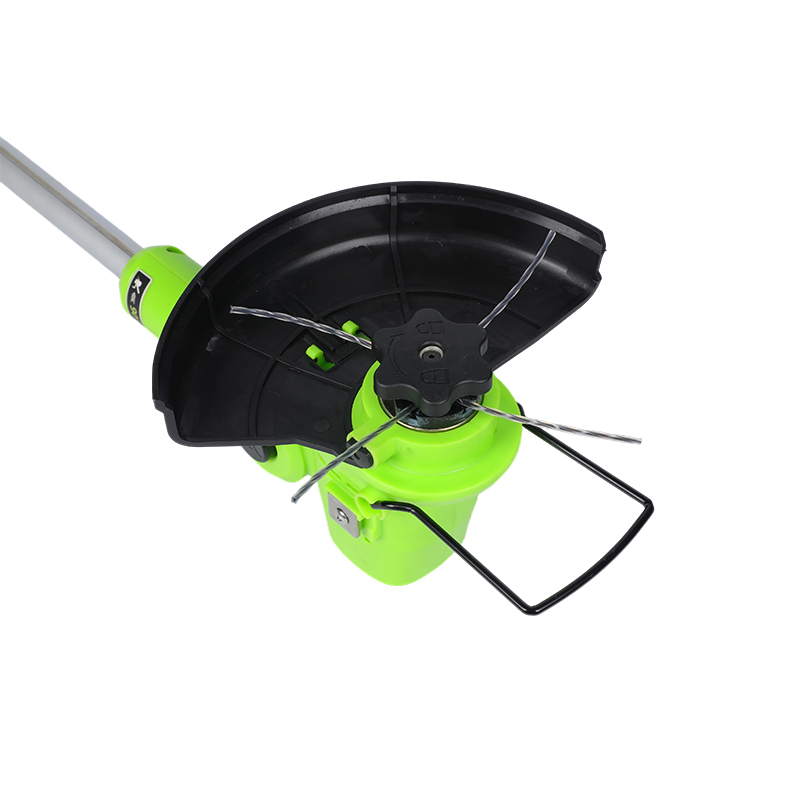
Major Manufacturing Regions
Several areas have become known for producing these modern tools. Factories concentrated in eastern China benefit from established supply chains and skilled workforces developed over decades. A well-positioned cordless gardening tools factory operates near component suppliers, reducing shipping delays and inventory costs while accessing workers experienced in precision assembly. This geographic concentration enables rapid response when customer orders spike during peak gardening seasons.
Production Volumes Today
Modern manufacturing operations achieve substantial output through efficient processes. Some facilities produce millions of units annually across complete product lines serving both consumer and professional markets. Daily production reaches levels supplying major retailers continuously without backlogs. This output requires extensive floor space with separate areas for plastic molding, motor assembly, battery packing, and final product testing under single management.
Brushless Motor Manufacturing
The heart of modern cordless tools lies in brushless motor technology. Forward-thinking factories now operate dedicated motor production lines with specialized equipment creating consistent performance across thousands of units. Producing motors in-house rather than purchasing from suppliers gives a cordless gardening tools factory greater control over quality and performance characteristics matched to specific tool requirements. This integration ensures each tool receives appropriately sized motors delivering expected runtime and power.
Research and Development Investment
Serious manufacturers employ substantial engineering teams focused on continuous improvement. Some companies maintain dozens of engineers dedicated to research, development, and quality functions across product categories. These professionals work in dedicated development centers with separate laboratories for testing new designs before production begins. Strong capabilities enable a forward-thinking cordless gardening tools factory to develop innovative features distinguishing products in crowded retail markets.
Battery Platform Development
Most manufacturers develop multiple battery voltage families serving different tool categories. Lower voltage systems power smaller tools like grass trimmers and hedge shears requiring less energy. Higher voltage platforms drive larger equipment including chain saws and lawn mowers needing sustained power. Battery compatibility across tool families allows users to purchase bare tools without batteries, reducing overall investment while encouraging brand loyalty. A strategic cordless gardening tools factory designs battery systems encouraging customers to stay within product families.
Quality Testing Procedures
Finished tools undergo verification before reaching distribution channels. Run tests confirm motors operate smoothly across speed ranges. Safety checks verify guards and switches function correctly. Runtime tests ensure batteries deliver claimed capacity under load. A thorough cordless gardening tools factory maintains testing stations throughout production, catching defects early rather than discovering problems after costly returns.
Assembly Line Organization
Efficient factories arrange workstations logically, minimizing movement between operations. Components flow from storage areas to assembly points through organized systems. Subassembly stations prepare motors, battery packs, and handles before final assembly. Workers receive components just when needed, reducing clutter and confusion. A well-organized cordless gardening tools factory coordinates these flows carefully, maintaining steady output without bottlenecks.
Workforce Skill Development
Producing quality tools requires trained workers understanding assembly requirements. New employees receive instruction before joining production lines. Experienced workers mentor newcomers until skills develop sufficiently. Regular training updates introduce improved techniques. A quality-focused cordless gardening tools factory invests in workforce development, recognizing that skilled assemblers produce better products than automated lines alone.
 Previous

