


 English
 中文简体
中文简体
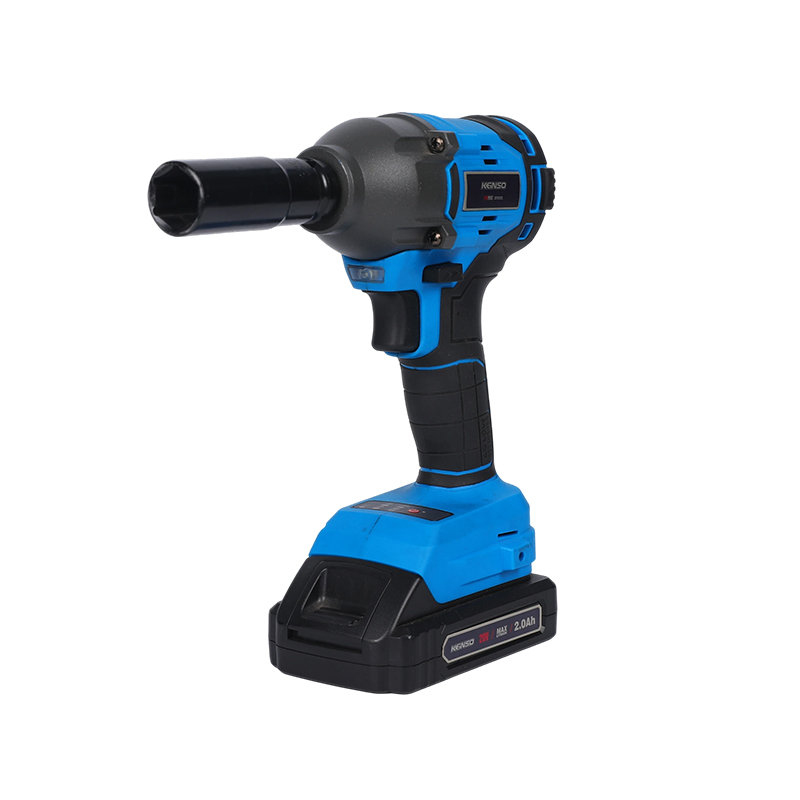
A cordless lithium battery impact wrench is bought for one job: delivering high torque without a power cord. Mechanics use it on lug nuts, structural bolts, and heavy equipment fasteners. The tool arrives with impressive specs—400 newton-meters of big torque, 4.0 amp-hours of battery capacity. Three months on the shop floor, the same wrench struggles to break loose bolts that it handled easily on day one. The battery shows two bars of charge. The motor spins. But the impact mechanism no longer delivers the full striking force. The cordless lithium battery impact wrench that cannot maintain its impact energy through regular use gets set aside for the pneumatic tool that never loses punch, regardless of what the battery meter says.
Impact Mechanism Wear Reduces Torque More Than Motor Wear
The impact mechanism delivers the torque. A spring-loaded hammer spins with the motor, compresses against a cam, and releases to strike the anvil. Each strike transfers rotational energy to the fastener. The hammer and anvil surfaces experience repeated high-force contact. Over time, the contact surfaces wear. The hammer travel distance increases. The spring preload decreases. The strike energy drops. A cordless lithium battery impact wrench with a worn impact mechanism delivers less than half its rated torque even when the motor runs at full speed and the battery reads full charge.
Three components determine how long the impact mechanism holds its performance:
- Hammer and anvil surface hardness, because softer materials deform under repeated impacts and change the striking geometry
- Spring material and heat treatment, because springs that lose tension reduce the stored energy released with each blow
- Cam surface finish, because rough surfaces create friction that absorbs energy before the hammer releases
A cordless lithium battery impact wrench manufacturer that uses hardened steel, precision-ground cams, and quality springs ships tools that deliver consistent torque over thousands of fastening cycles. One that sources lower-cost components ships tools that lose power gradually, and the mechanic blames the battery when the real fault sits in the mechanism.
Battery Management System Cuts Power Early to Protect Cells
Lithium batteries require protection circuits. The battery management system monitors cell voltage, temperature, and current. When voltage drops under load, the system reduces or cuts power to prevent cell damage. The protection extends battery life. It also reduces tool performance before the battery indicator shows empty. A cordless lithium battery impact wrench under heavy load may trigger the voltage cutoff at 30 percent remaining charge. The mechanic sees three bars and wonders why the wrench feels weak. The battery is not dead. The protection circuit simply decided that drawing more current would shorten cell life.
Manufacturers set the cutoff threshold differently. A conservative threshold protects the battery but frustrates the user. An aggressive threshold delivers full power until the final bars but shortens overall battery lifespan. A cordless lithium battery impact wrench that cannot find the right balance creates complaints either way—too weak too early, or too short-lived overall.
Thermal Protection Reduces Output During Continuous Use
High-torque applications generate heat. The motor windings heat. The battery cells heat. The impact mechanism friction generates additional heat. Temperature sensors in the motor and battery detect the rise. When temperature exceeds the set limit, the controller reduces power output to cool the components. A cordless lithium battery impact wrench that drives a hundred lug nuts in rapid succession slows down after the first twenty. The operator waits for the tool to cool. The wait time adds to the job duration, and the efficiency advantage over pneumatic tools disappears.
Two design decisions affect thermal performance:
- Heat sink size and airflow through the motor housing, because better cooling allows longer continuous operation before power reduction
- Power reduction curve, because some controllers cut power gradually while others step down sharply when the temperature threshold is reached
A cordless lithium battery impact wrench manufacturer that optimizes cooling and programs a gradual power reduction delivers a tool that feels consistent over extended use. One that prioritizes peak torque on the spec sheet and ignores thermal management ships a tool that performs well in the first minute and disappoints in the tenth.
Fastener Wear Changes What the Wrench Feels
The wrench does not operate in isolation. Fasteners wear. Threads corrode. Lug nuts deform under repeated impacts. A cordless lithium battery impact wrench that worked perfectly on new bolts struggles on bolts that have been removed and reinstalled fifty times. The increased friction from damaged threads requires more torque. The tool that delivered 400 newton-meters on the test fixture delivers only 300 effective newton-meters on corroded fasteners because the friction absorbs the energy.
Operators expect the tool to adjust. It cannot. The wrench delivers the same strike energy regardless of fastener condition. A cordless lithium battery impact wrench that shows declining performance may actually be performing identically while the fasteners become harder to move. The tool gets blamed for a problem that belongs to the bolt. The spec sheet wins the first sale. The consistent performance wins the second.
 Previous

